
All the Empty Rooms put the story first with Wrapbook
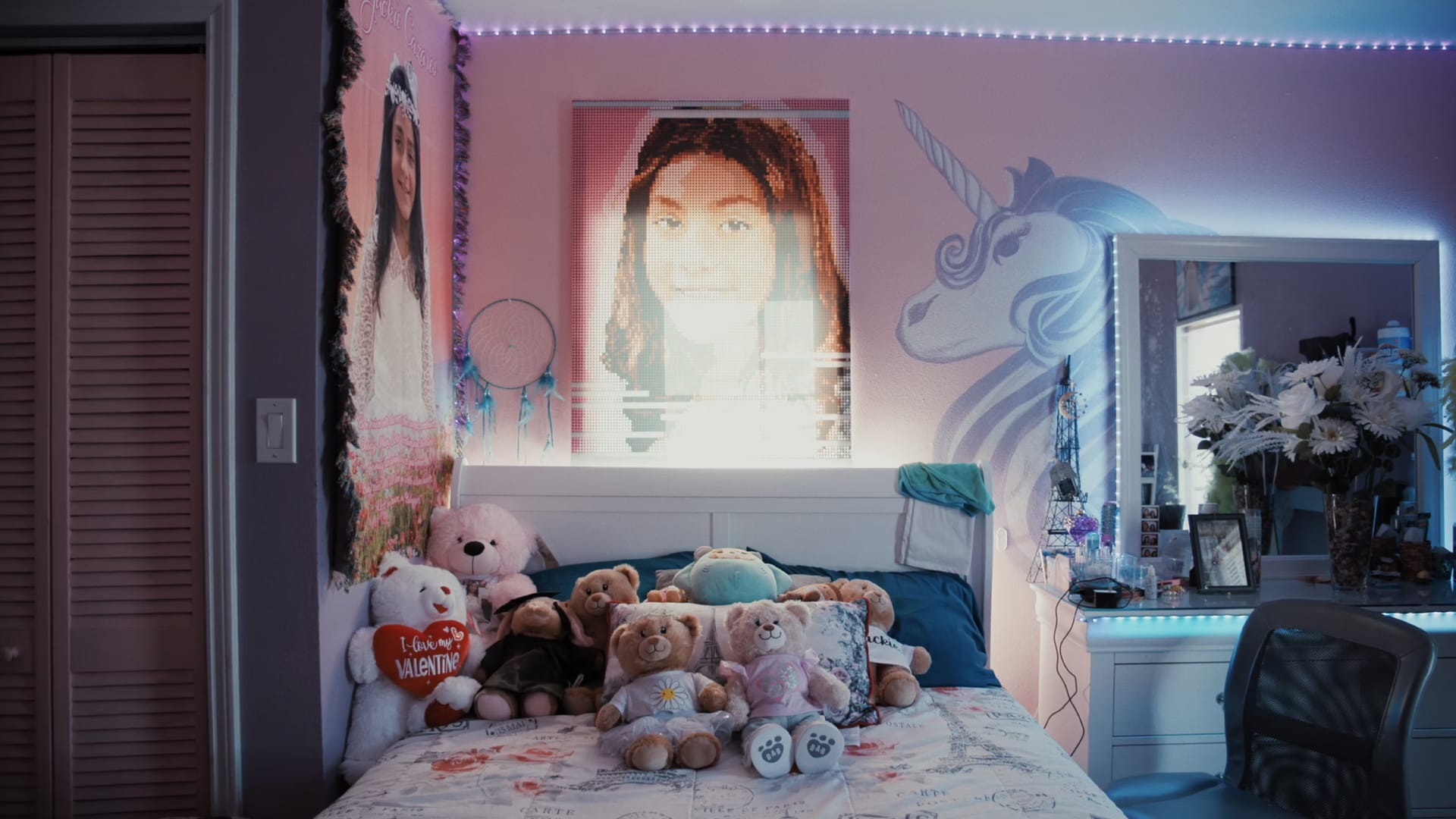
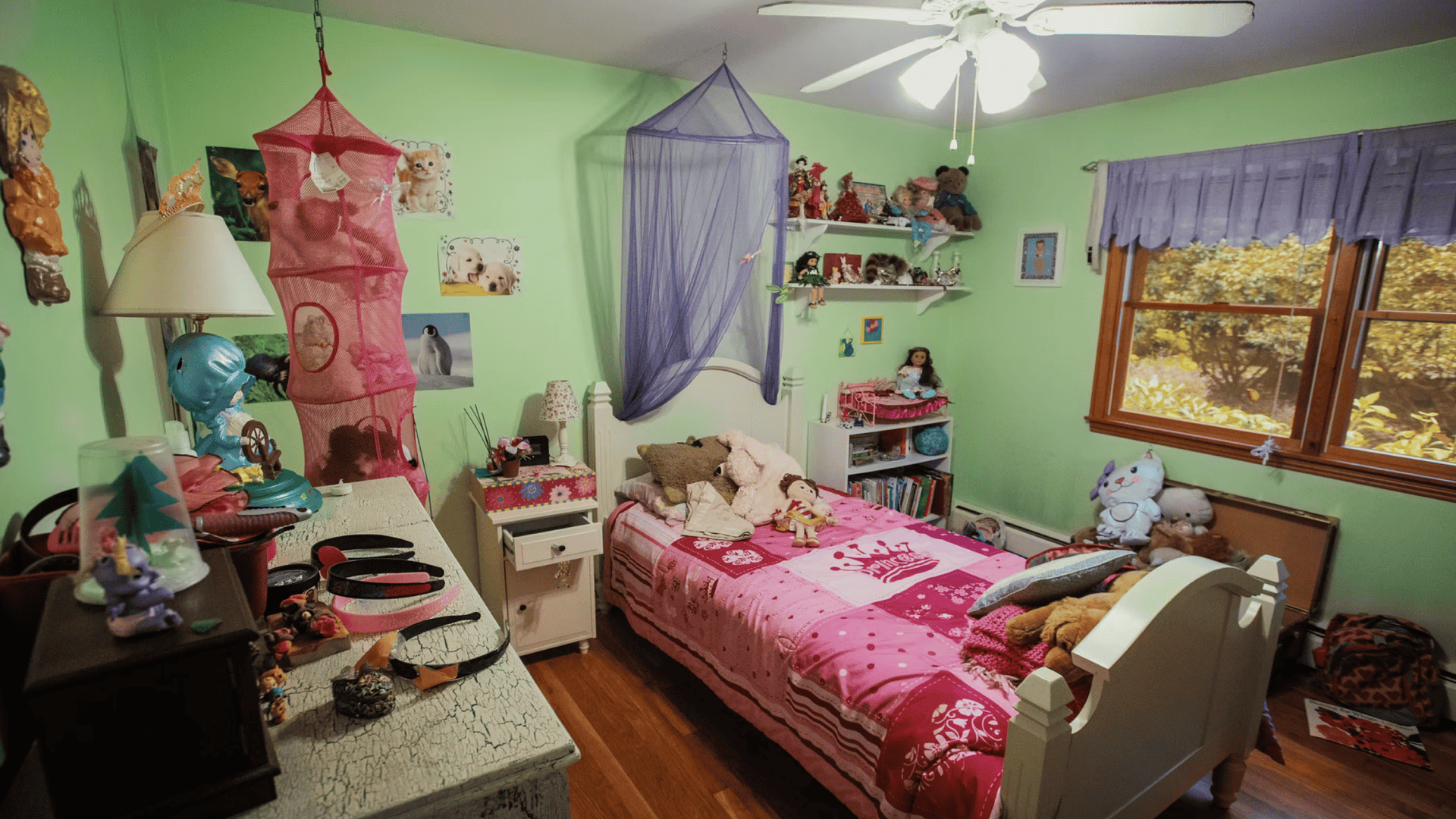
At first glance, the bedrooms featured in the Oscar-winning documentary All the Empty Rooms look typical: posters on the wall, a made bed, shoes by the door, some still-in-progress homework on a desk. What stands out is what’s missing—or rather, who.
Produced by Smartypants, the 2025 Netflix documentary brings viewers into the bedrooms of children lost to gun violence. Featuring CBS correspondent Steve Hartman and photographer Lou Lucid, the film focuses not on politics—the word “gun” is never mentioned—but on the families living with a child’s absence.
But how does a film crew enter the hallowed ground of a lost child’s bedroom? According to executive producer Anna Bick Rowe, with great sensitivity.
“We made the conscious decision that we wanted everyone in that room to be very focused on the families. We were going into a sacred space.”
That decision shaped the production. Crews stayed small and discreet, while much of the logistical work—onboarding, payroll, and coordination across multiple states—happened remotely. With shoots in Texas, Missouri, Tennessee, New York, and California, the film posed logistical challenges as well as emotional ones.
The team would need a nimble, flexible finance platform that could handle the complexity of multi-state production without adding noise to an already delicate process. The goal was simple: keep the logistics running quietly in the background so the crew could stay focused on the families in front of them.
For that, they trusted Wrapbook.
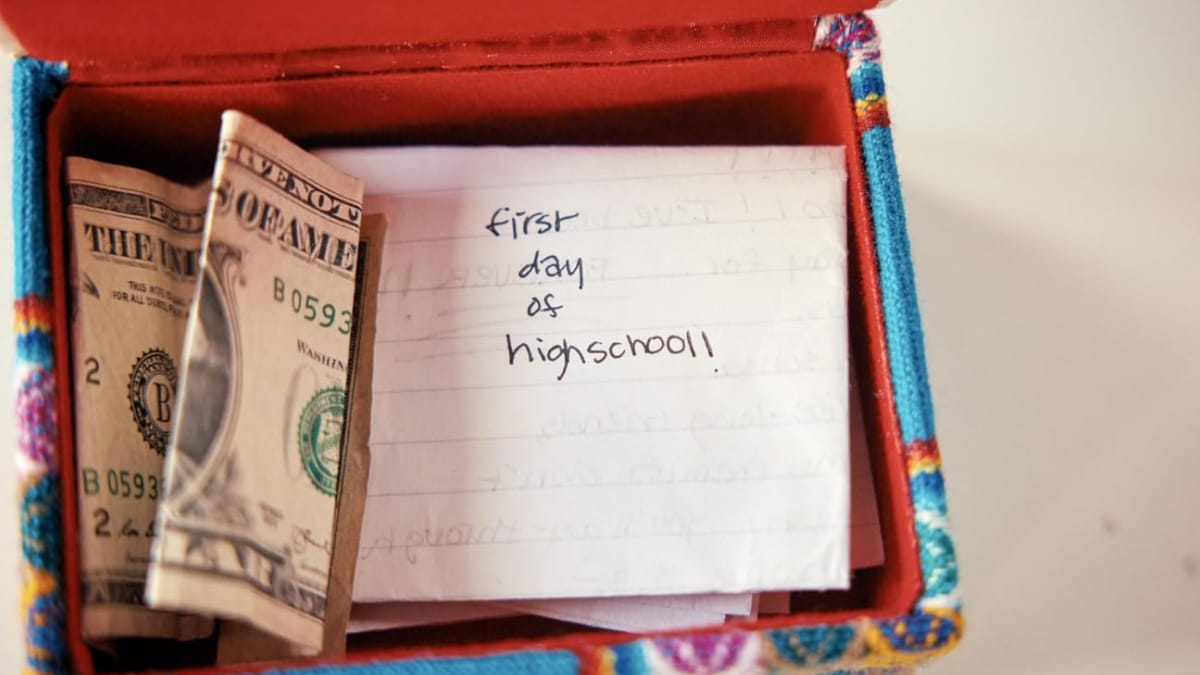
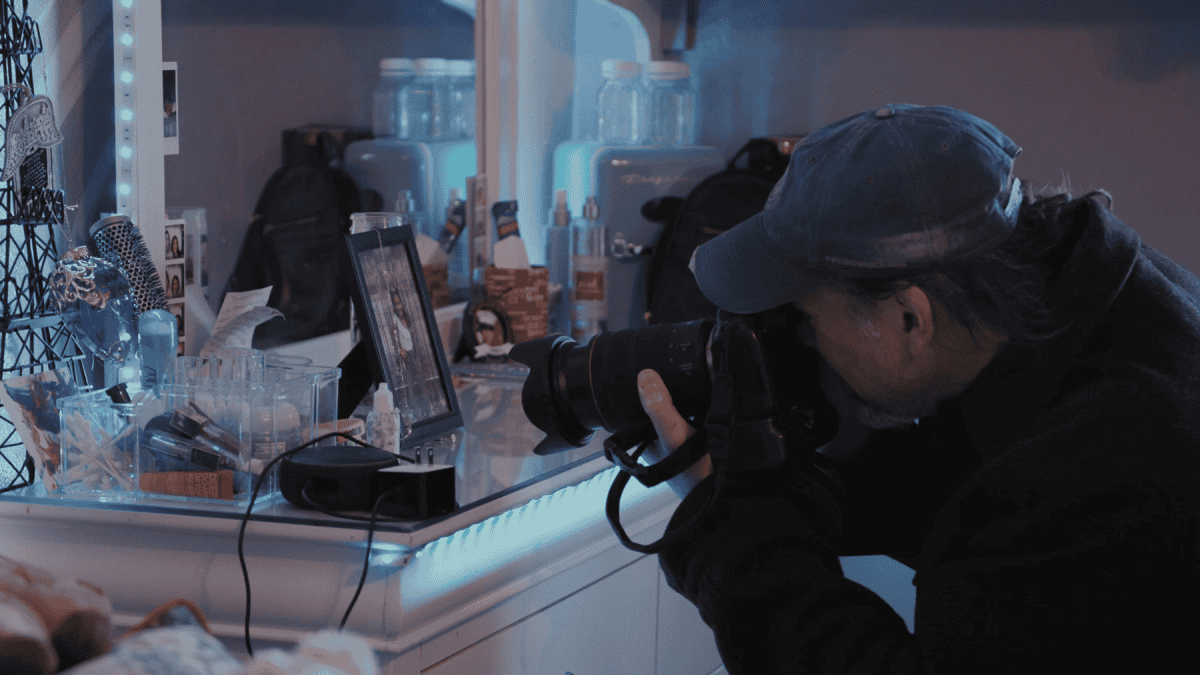
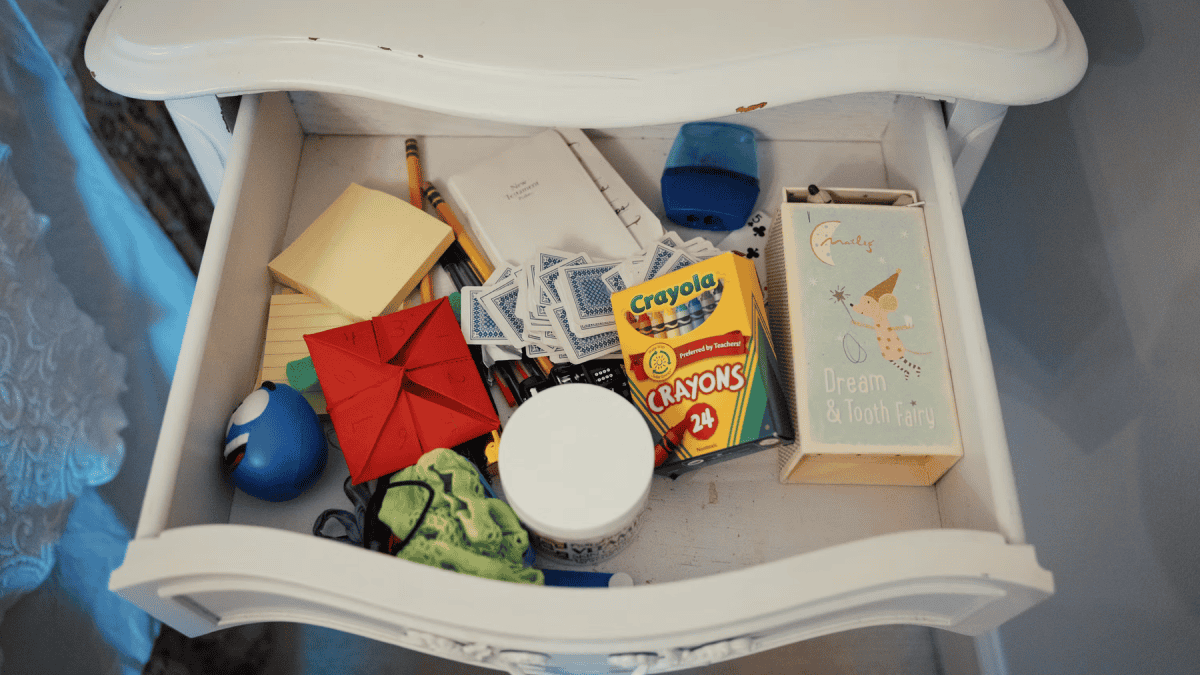
At first glance, the bedrooms featured in the Oscar-winning documentary All the Empty Rooms look typical: posters on the wall, a made bed, shoes by the door, some still-in-progress homework on a desk. What stands out is what’s missing—or rather, who.
Produced by Smartypants, the 2025 Netflix documentary brings viewers into the bedrooms of children lost to gun violence. Featuring CBS correspondent Steve Hartman and photographer Lou Lucid, the film focuses not on politics—the word “gun” is never mentioned—but on the families living with a child’s absence.
But how does a film crew enter the hallowed ground of a lost child’s bedroom? According to executive producer Anna Bick Rowe, with great sensitivity.
“We made the conscious decision that we wanted everyone in that room to be very focused on the families. We were going into a sacred space.”
That decision shaped the production. Crews stayed small and discreet, while much of the logistical work—onboarding, payroll, and coordination across multiple states—happened remotely. With shoots in Texas, Missouri, Tennessee, New York, and California, the film posed logistical challenges as well as emotional ones.
The team would need a nimble, flexible finance platform that could handle the complexity of multi-state production without adding noise to an already delicate process. The goal was simple: keep the logistics running quietly in the background so the crew could stay focused on the families in front of them.
For that, they trusted Wrapbook.
Growing together: a long partnership with Wrapbook
Smartypants has been using Wrapbook since 2020, when the team began looking for a better way to manage payroll and onboarding across smaller productions—one that would bring their key financial workflows into a single, coherent system.
“Wrapbook just checked all the boxes.”
Over time, the relationship deepened. Anna remembers sending Wrapbook’s team a list of feature suggestions early on, then watching as they appeared in the product.
“I looked back at my wish list recently, and pretty much every suggestion I had has been implemented in some way or another,” she says. “I think you actually listen to your customer base.”
As Smartypants grew, producing more projects, shooting in more places, and working with more crews, Wrapbook grew alongside them.
A complex production across multiple states
Although the film itself feels intimate, the logistics behind it were anything but simple.
The production filmed in Uvalde, St. Louis, Nashville, the Catskills, Santa Clarita, and CBS studios, often moving quickly between locations as schedules with families and collaborators came together. Sometimes shoots were organized with only a couple days’ notice.
“There was one week where we went to the Catskills, St. Louis, and Nashville all in one week—straight from one location to the next,” Anna says.
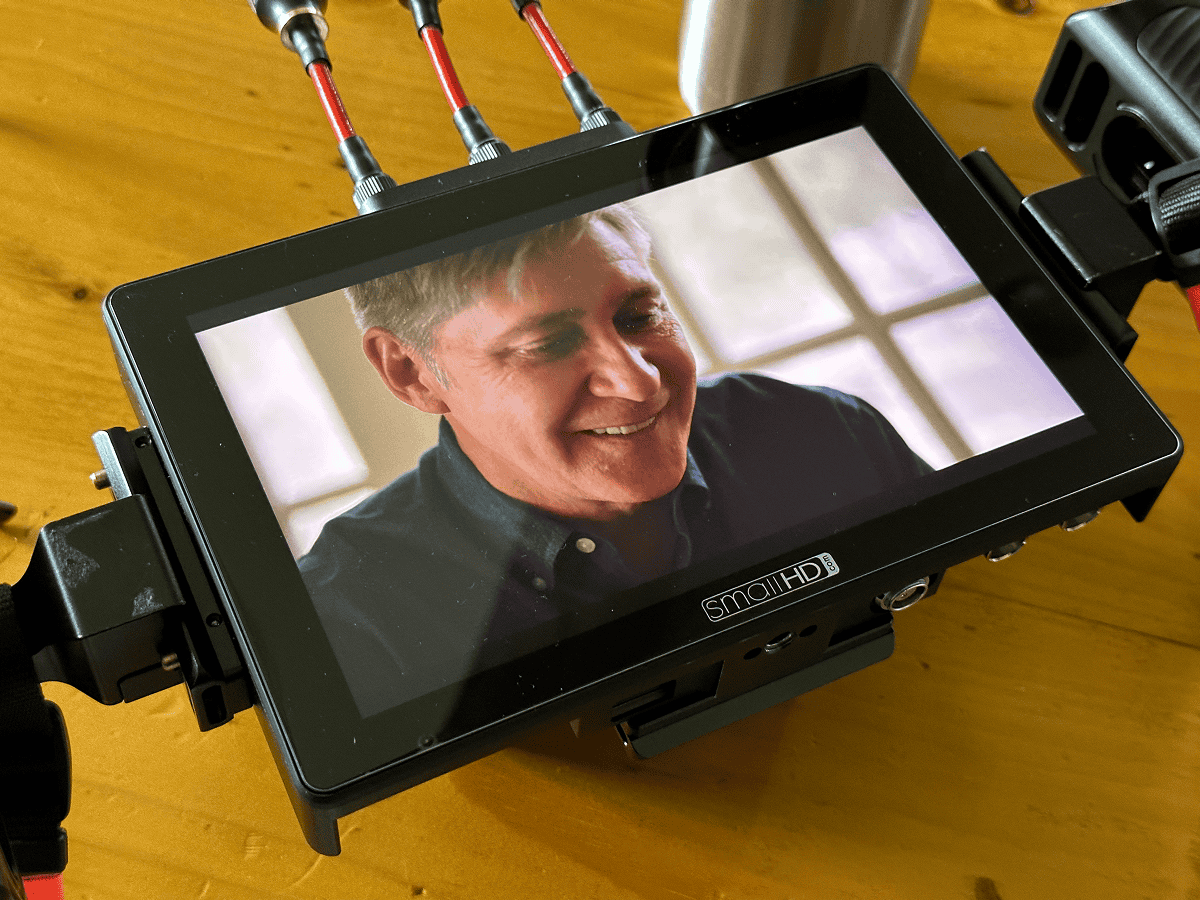
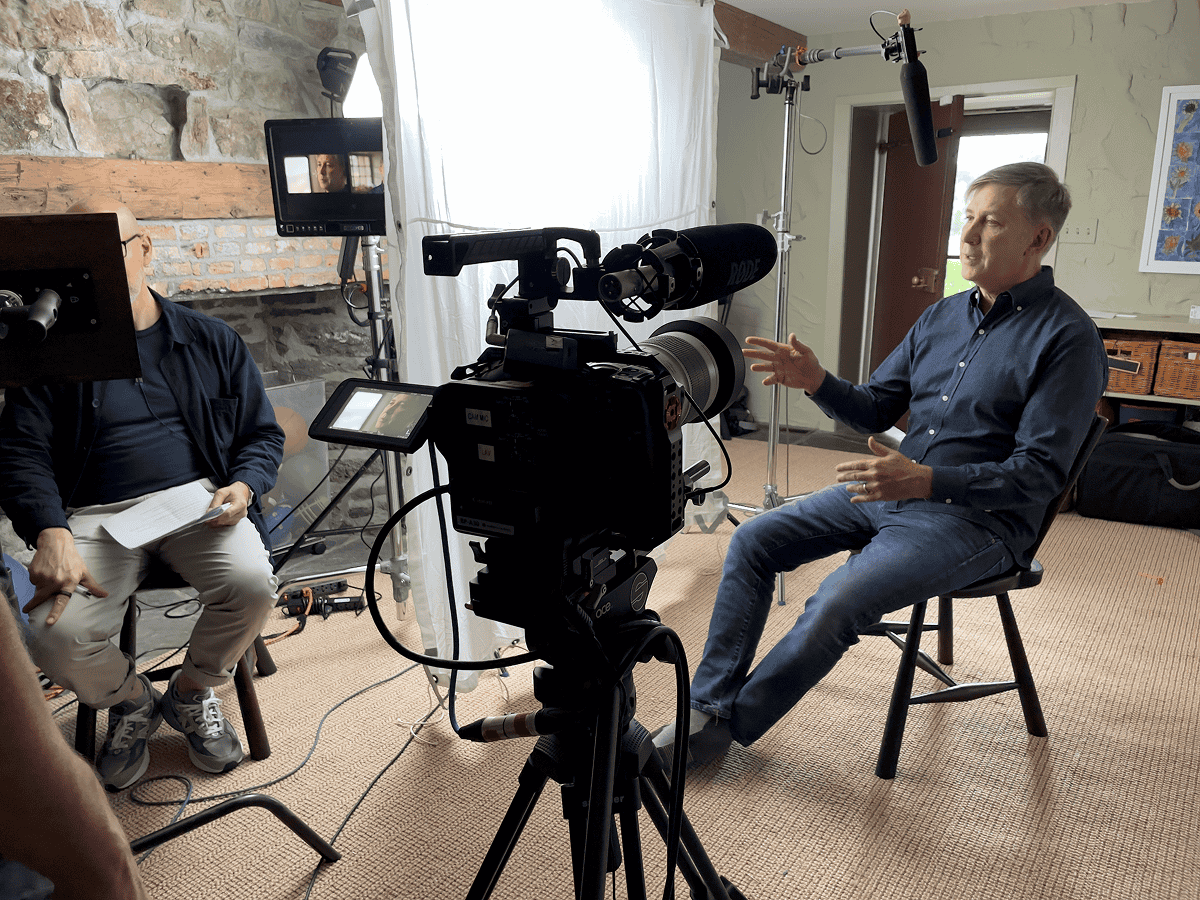
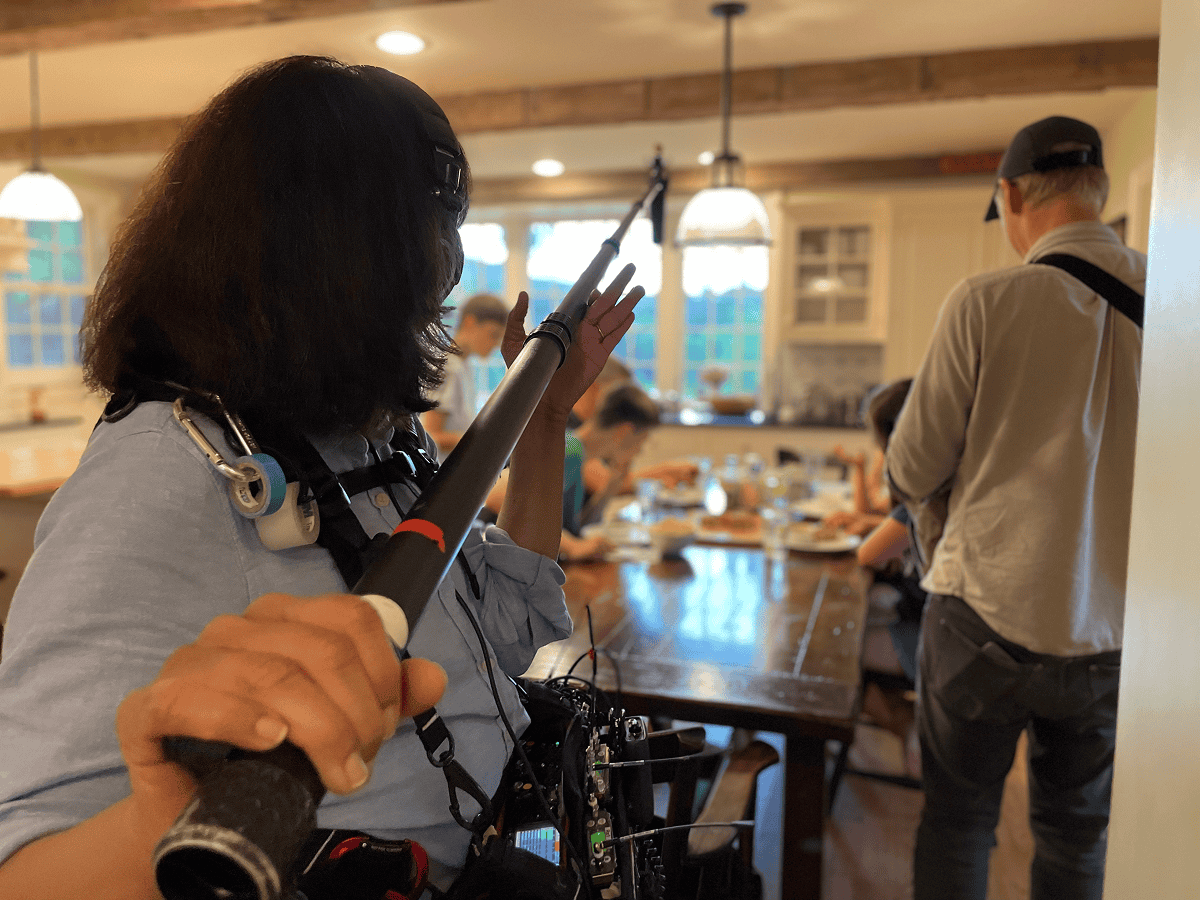
On set, the crew remained intentionally minimal: just director Joshua Seftel, cinematographer Matt Porwoll, producers Conall Jones and Avi Bond, a first AC, sound, and a PA working primarily out of the van. Behind the scenes, however, a much larger group supported the production remotely—including a production accountant, a bookkeeper, assistants, office managers, and production managers Jess Weiss and Marki Yaccino. To keep that distributed team coordinated while crews changed across locations, the production relied heavily on Wrapbook’s onboarding and payroll workflows.
Growing together: a long partnership with Wrapbook
Smartypants has been using Wrapbook since 2020, when the team began looking for a better way to manage payroll and onboarding across smaller productions—one that would bring their key financial workflows into a single, coherent system.
“Wrapbook just checked all the boxes.”
Over time, the relationship deepened. Anna remembers sending Wrapbook’s team a list of feature suggestions early on, then watching as they appeared in the product.
“I looked back at my wish list recently, and pretty much every suggestion I had has been implemented in some way or another,” she says. “I think you actually listen to your customer base.”
As Smartypants grew, producing more projects, shooting in more places, and working with more crews, Wrapbook grew alongside them.
A complex production across multiple states
Although the film itself feels intimate, the logistics behind it were anything but simple.
The production filmed in Uvalde, St. Louis, Nashville, the Catskills, Santa Clarita, and CBS studios, often moving quickly between locations as schedules with families and collaborators came together. Sometimes shoots were organized with only a couple days’ notice.
“There was one week where we went to the Catskills, St. Louis, and Nashville all in one week—straight from one location to the next,” Anna says.
On set, the crew remained intentionally minimal: just director Joshua Seftel, cinematographer Matt Porwoll, producers Conall Jones and Avi Bond, a first AC, sound, and a PA working primarily out of the van. Behind the scenes, however, a much larger group supported the production remotely—including a production accountant, a bookkeeper, assistants, office managers, and production managers Jess Weiss and Marki Yaccino. To keep that distributed team coordinated while crews changed across locations, the production relied heavily on Wrapbook’s onboarding and payroll workflows.
Growing together: a long partnership with Wrapbook
Smartypants has been using Wrapbook since 2020, when the team began looking for a better way to manage payroll and onboarding across smaller productions—one that would bring their key financial workflows into a single, coherent system.
“Wrapbook just checked all the boxes.”
Over time, the relationship deepened. Anna remembers sending Wrapbook’s team a list of feature suggestions early on, then watching as they appeared in the product.
“I looked back at my wish list recently, and pretty much every suggestion I had has been implemented in some way or another,” she says. “I think you actually listen to your customer base.”
As Smartypants grew, producing more projects, shooting in more places, and working with more crews, Wrapbook grew alongside them.
A complex production across multiple states
Although the film itself feels intimate, the logistics behind it were anything but simple.
The production filmed in Uvalde, St. Louis, Nashville, the Catskills, Santa Clarita, and CBS studios, often moving quickly between locations as schedules with families and collaborators came together. Sometimes shoots were organized with only a couple days’ notice.
“There was one week where we went to the Catskills, St. Louis, and Nashville all in one week—straight from one location to the next,” Anna says.
On set, the crew remained intentionally minimal: just director Joshua Seftel, cinematographer Matt Porwoll, producers Conall Jones and Avi Bond, a first AC, sound, and a PA working primarily out of the van. Behind the scenes, however, a much larger group supported the production remotely—including a production accountant, a bookkeeper, assistants, office managers, and production managers Jess Weiss and Marki Yaccino. To keep that distributed team coordinated while crews changed across locations, the production relied heavily on Wrapbook’s onboarding and payroll workflows.
Growing together: a long partnership with Wrapbook
Smartypants has been using Wrapbook since 2020, when the team began looking for a better way to manage payroll and onboarding across smaller productions—one that would bring their key financial workflows into a single, coherent system.
“Wrapbook just checked all the boxes.”
Over time, the relationship deepened. Anna remembers sending Wrapbook’s team a list of feature suggestions early on, then watching as they appeared in the product.
“I looked back at my wish list recently, and pretty much every suggestion I had has been implemented in some way or another,” she says. “I think you actually listen to your customer base.”
As Smartypants grew, producing more projects, shooting in more places, and working with more crews, Wrapbook grew alongside them.
A complex production across multiple states
Although the film itself feels intimate, the logistics behind it were anything but simple.
The production filmed in Uvalde, St. Louis, Nashville, the Catskills, Santa Clarita, and CBS studios, often moving quickly between locations as schedules with families and collaborators came together. Sometimes shoots were organized with only a couple days’ notice.
“There was one week where we went to the Catskills, St. Louis, and Nashville all in one week—straight from one location to the next,” Anna says.
On set, the crew remained intentionally minimal: just director Joshua Seftel, cinematographer Matt Porwoll, producers Conall Jones and Avi Bond, a first AC, sound, and a PA working primarily out of the van. Behind the scenes, however, a much larger group supported the production remotely—including a production accountant, a bookkeeper, assistants, office managers, and production managers Jess Weiss and Marki Yaccino. To keep that distributed team coordinated while crews changed across locations, the production relied heavily on Wrapbook’s onboarding and payroll workflows.
Onboarding crew quickly, while building trust
Because the team often hired local crew in unfamiliar markets, establishing trust quickly was critical. Wrapbook helped provide that credibility.
“Wrapbook gave us a kind of legitimacy with new crew members. It helped us form those relationships quickly.”
Many workers were already familiar with the platform, which made onboarding straightforward.
“Once we took care of them emotionally—making sure they understood the project—we could take care of them bureaucratically through Wrapbook,” says Jess. “They’re set up with this payroll system they already know.”
Even better, the platform’s transparency made payroll easier to explain and verify.
“With Wrapbook you can clearly see how the rates are broken down,” Jess says. “It saves a lot of explaining and back-and-forth.”
The platform also simplified the administrative complexity of filming across multiple states.
“We were onboarding people in different states at the same time,” says Marki. “One state on Monday, another state on Wednesday, another state on Friday. All I had to do was enter the work location and the correct paperwork followed.”
Onboarding crew quickly, while building trust
Because the team often hired local crew in unfamiliar markets, establishing trust quickly was critical. Wrapbook helped provide that credibility.
“Wrapbook gave us a kind of legitimacy with new crew members. It helped us form those relationships quickly.”
Many workers were already familiar with the platform, which made onboarding straightforward.
“Once we took care of them emotionally—making sure they understood the project—we could take care of them bureaucratically through Wrapbook,” says Jess. “They’re set up with this payroll system they already know.”
Even better, the platform’s transparency made payroll easier to explain and verify.
“With Wrapbook you can clearly see how the rates are broken down,” Jess says. “It saves a lot of explaining and back-and-forth.”
The platform also simplified the administrative complexity of filming across multiple states.
“We were onboarding people in different states at the same time,” says Marki. “One state on Monday, another state on Wednesday, another state on Friday. All I had to do was enter the work location and the correct paperwork followed.”
Onboarding crew quickly, while building trust
Because the team often hired local crew in unfamiliar markets, establishing trust quickly was critical. Wrapbook helped provide that credibility.
“Wrapbook gave us a kind of legitimacy with new crew members. It helped us form those relationships quickly.”
Many workers were already familiar with the platform, which made onboarding straightforward.
“Once we took care of them emotionally—making sure they understood the project—we could take care of them bureaucratically through Wrapbook,” says Jess. “They’re set up with this payroll system they already know.”
Even better, the platform’s transparency made payroll easier to explain and verify.
“With Wrapbook you can clearly see how the rates are broken down,” Jess says. “It saves a lot of explaining and back-and-forth.”
The platform also simplified the administrative complexity of filming across multiple states.
“We were onboarding people in different states at the same time,” says Marki. “One state on Monday, another state on Wednesday, another state on Friday. All I had to do was enter the work location and the correct paperwork followed.”
Payroll that kept the production moving
Payroll soon became the backbone of the production workflow. Crews were wrapping in one city while new teams were already being hired somewhere else.
“The Catskills team was done as the Nashville team was starting,” Jess says. “The fact that I could process everything for one team while setting up the next was huge.”
Wrapbook’s mobile tools also simplified everyday tasks. Crew members could upload receipts directly from wherever they were working.
“Take a photo, upload it on the app—it’s super easy,” Jess says.
Compared with earlier workflows, Anna estimates the platform saved roughly a full day of production management time each week during prep and wrap. The streamlined process also meant the production didn’t need additional staff just to manage paperwork.
“We didn’t need a coordinator,” Jess says. “It was streamlined enough that we could handle everything ourselves.”
Payroll that kept the production moving
Payroll soon became the backbone of the production workflow. Crews were wrapping in one city while new teams were already being hired somewhere else.
“The Catskills team was done as the Nashville team was starting,” Jess says. “The fact that I could process everything for one team while setting up the next was huge.”
Wrapbook’s mobile tools also simplified everyday tasks. Crew members could upload receipts directly from wherever they were working.
“Take a photo, upload it on the app—it’s super easy,” Jess says.
Compared with earlier workflows, Anna estimates the platform saved roughly a full day of production management time each week during prep and wrap. The streamlined process also meant the production didn’t need additional staff just to manage paperwork.
“We didn’t need a coordinator,” Jess says. “It was streamlined enough that we could handle everything ourselves.”
Payroll that kept the production moving
Payroll soon became the backbone of the production workflow. Crews were wrapping in one city while new teams were already being hired somewhere else.
“The Catskills team was done as the Nashville team was starting,” Jess says. “The fact that I could process everything for one team while setting up the next was huge.”
Wrapbook’s mobile tools also simplified everyday tasks. Crew members could upload receipts directly from wherever they were working.
“Take a photo, upload it on the app—it’s super easy,” Jess says.
Compared with earlier workflows, Anna estimates the platform saved roughly a full day of production management time each week during prep and wrap. The streamlined process also meant the production didn’t need additional staff just to manage paperwork.
“We didn’t need a coordinator,” Jess says. “It was streamlined enough that we could handle everything ourselves.”
Payroll that kept the production moving
Payroll soon became the backbone of the production workflow. Crews were wrapping in one city while new teams were already being hired somewhere else.
“The Catskills team was done as the Nashville team was starting,” Jess says. “The fact that I could process everything for one team while setting up the next was huge.”
Wrapbook’s mobile tools also simplified everyday tasks. Crew members could upload receipts directly from wherever they were working.
“Take a photo, upload it on the app—it’s super easy,” Jess says.
Compared with earlier workflows, Anna estimates the platform saved roughly a full day of production management time each week during prep and wrap. The streamlined process also meant the production didn’t need additional staff just to manage paperwork.
“We didn’t need a coordinator,” Jess says. “It was streamlined enough that we could handle everything ourselves.”
A financial tool that served a larger purpose
Ultimately, Wrapbook gave the team something more important than any single feature. It gave them the space to stay emotionally present during shooting—to focus on the families, not on receipts or timecards.
“The creatives really didn’t have to worry about budget, rates, receipts, paperwork,” Jess says. “They just showed up, met the crew, and tried to capture something honest.”
All the Empty Rooms was the kind of production that tests every part of a company’s workflow: multi-state filming, fast-moving schedules, a geographically diffuse team—and, of course, a deeply sensitive subject matter. Through it all, the team relied on a system they had grown with for years.
“There’s just no equivalent out there that I know of,” Anna says. “For the size of our company and the kind of projects we do, it just makes sense.”
What began as a better way to replace paper timecards has become something more fundamental: the infrastructure that allows Smartypants to run productions the way they want to run them.
On All the Empty Rooms, that meant something simple but powerful: a production that could stretch across the country, while still honoring the smallness and quietude of a child’s bedroom.
A financial tool that served a larger purpose
Ultimately, Wrapbook gave the team something more important than any single feature. It gave them the space to stay emotionally present during shooting—to focus on the families, not on receipts or timecards.
“The creatives really didn’t have to worry about budget, rates, receipts, paperwork,” Jess says. “They just showed up, met the crew, and tried to capture something honest.”
All the Empty Rooms was the kind of production that tests every part of a company’s workflow: multi-state filming, fast-moving schedules, a geographically diffuse team—and, of course, a deeply sensitive subject matter. Through it all, the team relied on a system they had grown with for years.
“There’s just no equivalent out there that I know of,” Anna says. “For the size of our company and the kind of projects we do, it just makes sense.”
What began as a better way to replace paper timecards has become something more fundamental: the infrastructure that allows Smartypants to run productions the way they want to run them.
On All the Empty Rooms, that meant something simple but powerful: a production that could stretch across the country, while still honoring the smallness and quietude of a child’s bedroom.
See what Wrapbook can do for you.
Ready to see how on-demand payroll can transform your productions?
Get Started