
Join the Crew
Get the best resources for producers delivered to your mailbox

Get the best resources for producers delivered to your mailbox
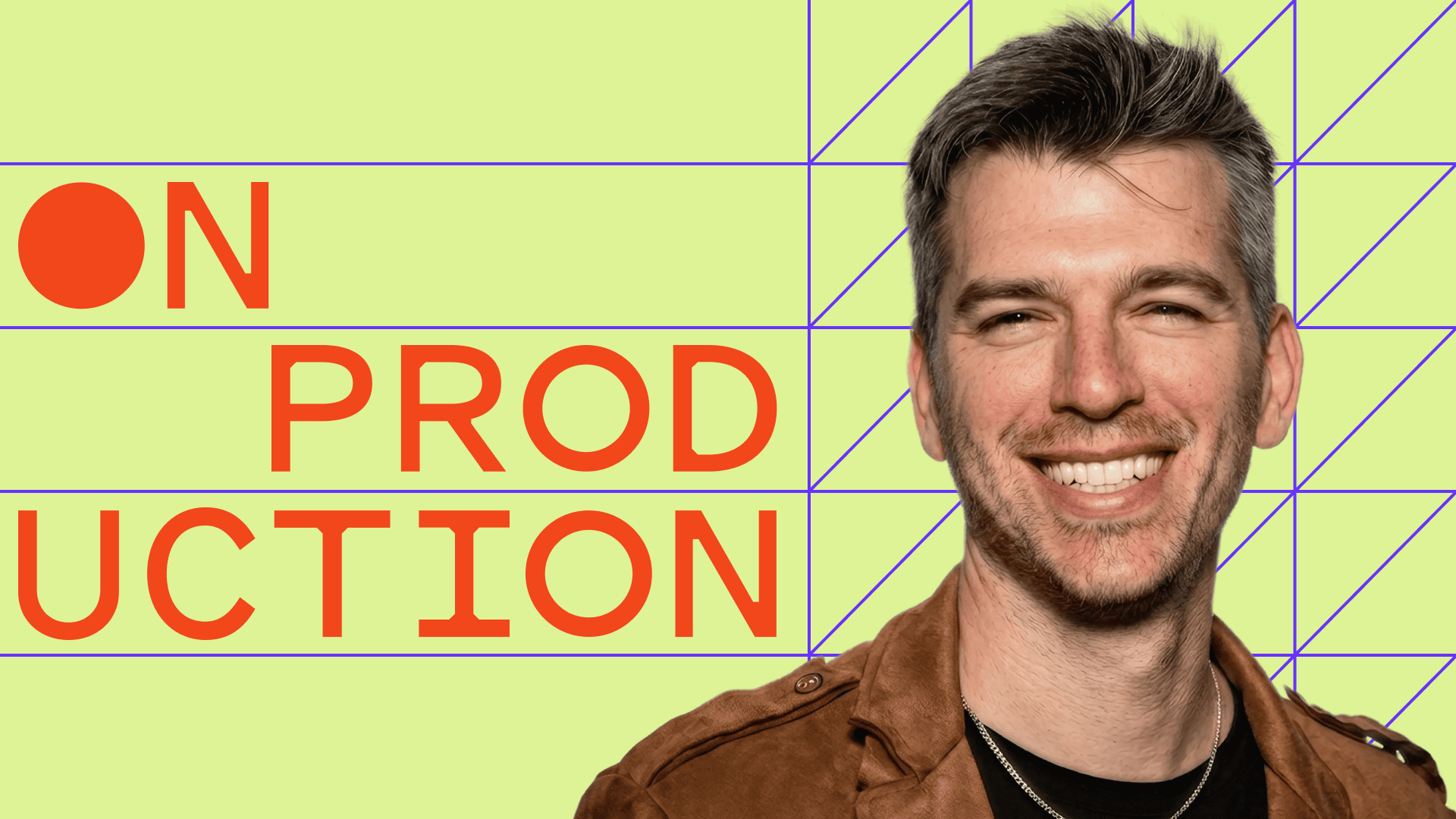
Cameron sits down with PJ Accetturo, founder and CEO of Genre.ai, to talk about what happens when generative AI moves beyond experimentation and becomes a real production business.
Known online as the "viral AI madman," PJ built his reputation with the Kalshi commercial that aired during the NBA Finals, one of the first AI-generated ads to run on broadcast television at scale. Since then, he has led AI-native campaigns for Nike, LVMH, Qatar Airways, Oracle, Popeyes, Ramp, Google, and more, generating hundreds of millions of views across platforms. Through Genre.ai, he has built one of the most active AI-native production studios working in commercial production today.
But instead of focusing on prompts and workflows, this conversation digs into the questions that rarely get asked: pricing, margins, creative constraints, failed campaigns, staffing, and what AI actually means for the economics of production. PJ explains how AI-native productions are structured today, why some projects still work better as traditional shoots, and how agencies, production companies, and filmmakers are adapting as the technology rapidly improves. The discussion also explores the changing relationship between AI and traditional craft, from commercials and VFX workflows to narrative filmmaking, virtual production, performance capture, and the emerging hybrid models being tested across the industry.
The conversation also touches on the Wonder Project's hybrid approach to narrative production, blending volume stages, performance capture, and AI-generated wide shots as a model for what ambitious mid-budget storytelling could look like going forward.
Perhaps most notably, PJ reflects on how his own thinking has evolved. A year ago he was telling Hollywood it was doomed. Today his message is different: the tools are coming regardless, the talent is there to adapt, and what's ahead may look less like a reckoning and more like a golden age of creativity.
For producers, creative directors, and anyone trying to understand where AI fits in the production landscape, this is one of the more grounded and honest conversations on the topic you'll find.
The views and opinions expressed by guests on this podcast are solely their own and do not reflect the views of Wrapbook, its employees, or affiliates.
Cameron Woodward
Last June, a commercial aired during the NBA Finals, it looked sort of like a grand theft auto fever dream. Grandpa, cowboys, aliens drinking beer, people swimming in eggs. It ran alongside ads that cost four, $500,000 to produce. And this one cost just $2,000. And one person who says they did it in two days.
The guy who made it is PJ Acceturo. He runs Genre AI, an AI native production studio that has now done work for Google, Qatar Airways, Popeyes, and a David Beckham wellness brand. Combined views north of 300 million. Now, PJ has done a lot of interviews. Everybody wants to hear about the call she had. Everyone wants the workflow breakdown. We're not doing that today. If you want the prompts, he's published them very graciously, and you should go check out his newsletter.
What I want to talk about is the stuff nobody seems to ask him. The pricing, the margins, the failure reel. What happens to the three to $15 million budget tier that most production actually lives in? This is On Production. I'm Cameron Woodward. Let's dig into it.
Cameron Woodward
All right, so you charge clients meaningful fees for work that costs dramatically less to produce than traditional production. So I'm really curious, can you walk me through the pricing psychology of an AI native studio? Like how do you anchor value when your input costs have collapsed?
PJ Accetturo
Yeah, this is a great, great question. Thank you so much for having me on today. It all comes down to the size of the brand that you work with and what actually is cheap for them, right? I have this ethos that it can be very expensive for your brand to go very cheap with AI. And we've seen this with McDonald's and their ill-fated AI campaign early, Coca-Cola, which some love, some hate it, we're not sure.
I think there still needs to be, there's still is room in the market for a premium fully AI agency, which is what we've built over the last year and a half. We rarely charge over a hundred thousand dollars, but we can charge a hundred thousand dollars or more for some AI ads. So the question is why would brands still pay that much? And it all comes down to the quality. the thing is it is easier than ever to create anything, but it's really hard to create something that's specific.
on brand, high quality, and honestly just doesn't look like AI. And so over the last year, we've really tried to figure out what is palatable to audiences. And what we found is early on, it was comedy. And like the Cal-She-Ad was just like cocaine advertising, like Grand Theft Auto meets Florida Man. I I grew up in Florida. Like I just wrote the insane characters and locations that I've been in. you know, obviously you can't do a one trick pony for all ads where they're just insane people and cars are on fire. You get sick of that.
So over time we evolved to more like Super Bowl ad styles where it's like 80 % comedy, 20 % brand. But now with the technology, I think honestly anything you could shoot with live action production, you can shoot with AI and it's almost indistinguishable.
Cameron Woodward
what's on genre AI is like failure reel. Like, can you give me the campaign that died? Like the one that the client killed or the one that you look back on and think that was a mistake. I mean, you mentioned like, you could get away with this for the first proof of concept, call she add worked great. It fit the moment of what these models could do, but like what didn't.
.
PJ Accetturo
Yeah, yeah, that's great. I will certainly not name drop this. I'll shift it adjacent to an industry. Let's just say we made a restaurant commercial. And basically the scene was contain location with like a couple different actors all needing cross cuts and all this kind of stuff. And we charged them like a fair bit of money. And then by the end of it, it turned out OK. But the tech wasn't there to get consistent location, good performance of the actors. And I was like,
why didn't we just shoot this real and like just actually, you know, spend like whatever 40 grand to shoot it at a diner. And that is what we do try and also educate clients on is that not all scripts should be AI. In fact, and this is why we're half agency and half production company. We have an opinion that like you need to have the writers aware of what works and to justify why you're doing it. For instance, like we were working with this new kids themed company and we're pitching them on a big
Peter Pan like concept and and prior to that they were like, we never could have done Peter Pan before because it's like flying ships and pirates and crocodiles and we're like that is exactly what AI is and and it'll launch in like two weeks. It's our best ad we ever made. Looks incredible and you wouldn't know it's AI.
Cameron Woodward
Hmm. You and I met a while back. We didn't record the show, but this was right after the call she had had gone out. And you were telling me that you had gotten like hundreds of applications of people that wanted to work with you. What does the org chart actually look like today? Like what job titles exist at your company that didn't really exist two years ago?
PJ Accetturo
Yeah, yeah, we typically split our projects into pods of five. So you've got a writer, a director, a cinematographer, an animator, and a editor. And obviously, you might sometimes have a colorist or a voice or artist, but effectively, that is five key roles on a given project. Sometimes if you're a very, very, very successful top AI artist, you've learned how to do all of them. Like I'm
one of the lucky few who can do most of the few full stack. when we started to scale our agency, like you cannot scale, you you have to figure out how do you split these down into component parts. And what we found is you cannot teach taste, you can teach tools. And so we try and find those roles who have, like they were former cinematographers, they're current cinematographers. With the directors, like you actually don't even have to know how to use AI if you have a team that's feeding you images, that's feeding you animations.
You have to have tastes where you're like playing the orchestra and the instruments are being played either by individual artists or now what we're seeing is it's agents. it's, you're supervising these agents, which pitch you on 50 different locations. Like we use, we like to use this new one called Luma, but all the new models have agents now where it's like, Hey, this is the start of a commercial, which we can get into like workflow later, but it's like, it's the start of a commercial pitch me in like 50 different characters, pitch me on 50 different locations. And then now you're just orchestrating.
OK, great. I like these and these and these. And you don't have to have a lot of AI knowledge now.
Cameron Woodward
To that point, how do you think about Moat? You know, these tools are getting better, more accessible every month. What stops the green person, you know, with a new video model from becoming you in six months?
PJ Accetturo
To be candid, like there is a lot of disruption to that in the same way that we are highly disruptive to like, you know, from all the way up to like WPPs and ogle these to smaller production company agencies like Sandwich Video, you know, yeah, we can do something for 100k or less that they were trying to do previously for like 700k or something like that. But eventually there's going to be someone who can do.
what we do in some ways for 7K a year from now when the models just get so much better to where you don't, I think you might not need cinematographers. You might not need even animators because the editor's doing it. And then today there's Agentic editor that just launched and it's like, holy crap. Like I think fast forward two years from now, you will have a writer and a creative director. So it's like, you will still be working with the agents on the writing. Cause we found that like, I'm sure you've worked with Chad to be too a lot too, like the
You can't do comedy. There's a lot of ways in which writing has not improved over the last two years. That will be persistent. And then visual direction, you still need somebody to collate all of the different things and be a tastemaker for the ingredients you're feeding into the model and approving those things. But I do think that's probably going to be what this ends up being in two years. To that extent, which we'll talk about later, that's why we're transitioning more into the narrative side of things, because I think there's a greater moat.
But until then, know, brands like a big Starbucks doesn't want to find sort of all the AI dipshits to be candid on Twitter and you know what now, like there's just a hundred bozos out there or like thousands. And I mean that affectionately because I've been one of them at the time. It is too much. They want to work with traditional agencies. I think production companies are going to get cooked over the next two years because the executions they're going to have to pivot to become AI production companies. But agencies will persist and agencies will just have to learn how to like
strip out the fat of them and really just focus on how do we crank out an ad a month and then an ad a week and then God forbid an ad a day. And then it's gonna be hyper localized to where the TikTok and Meta are just gonna do all your ads for you at some level in three years from now. And they'll do thousands of variations per day. It's gonna get crazy into stuff.
Cameron Woodward
So super interesting vision in traditional production of revision can mean a reshoot, which creates natural friction. So in your world, a revision is just a reprompt. It's a free iteration. Is that a problem? Like how do you manage clients when changes feel costless?
PJ Accetturo
This is a great question and it's the bane of our existence sometimes is scope creep, right? They're like, well, you guys approved it. And they're like, but you guys can change it. It's not always good. The fact that you can change it. What we try and tell clients is that like, you've got two general revisions, but for the most part, when you lock off a character, though we can change the character design at the ninth hour, I mean, we have to regenerate every single scene and all those elements. like,
Yes, we can do it. A lot of times if it's like a performance, they want to change like small variations. Like that's all very doable. So like you said, like traditional productions are like a lit fuse on a stick of dynamite. You know what? You cannot stop it. You've got to let it go, et cetera. Now you can honestly shoot the commercial first time and then redo that swaths of it just based on it. And it's a marginal cost. Now, you know, I think again, as an agency, we have to set up guidelines and checkpoints to say, okay, if you want to change the character in the future.
it does cost an additional cost, because that's outside of like our lock thing. But can you effectively, if the brand doesn't mind paying for it, it's the best. You can do like six different endings, six different intros. You can hyper-localize multiple versions of characters. Like that's what this unlocks.
Cameron Woodward
Let's talk about the economics. What happens, I mean, you mentioned this, you have a very, very opinion about, strong opinion about like what happens to commercial production companies, but what happens to you? No, I mean, it's fine. I think it's interesting to hear different outlooks and so does our audience. Everyone's very curious as to like what the next couple of years look like. But what's your view on what happens to the three to $15 million TV budget here? And when you strip out traditional production, where do you...
Cameron Woodward
the costs actually land, scripts, talent, music, legal, insurance, approvals.
PJ Accetturo
Yeah, yeah, yeah. So the good news is I think there's a million times more defensibility on the narrative side of things and TV shows and whatnot. So a lot of what we've talked about for the first half of this conversation has just been in the context of commercials. Because again, these models are almost to 30 seconds for outputs. And so it's like, OK, great. You can just give it all the script and the resources and the characters and locations. It's going to be double to generate most of that commercial as an output and get
80 % of the way there within the next six to nine months. That is the state of advertising. But as we both know, the movies and 30 minutes of narrative content and then 90 minutes and beyond is a work magnitude of order harder on the fidelity scale. So I don't think we're going to get into this automated TV series anytime soon. So to that extent, maybe this is the next shift in the conversation is like, I've been working with this company called The Wonder Project. They have this show called The House of David that was
Amazon's number one show last summer, very big. They're coming out with a show called Moses that actually comes out tomorrow. Moses is, I'm not speaking on their behalf, but I believe what they've told everyone is it's a large percent hybrid where there are, what they're calling GAI or generative AI workflows for all of the expensive set pieces and shots. And then I helped out a little bit, but basically on set that we did.
closeups of the actors, Sir Ben Kingsley, know, OT, like some amazing actors, and we're able to get SAG approvals because that what they're shooting with their faces is what you're seeing on screen. It is only the wide shots. Even for those wide shots, they're still doing motion capture like Avatar on these actors inputs are driving all of the AI's performances. So if you want to think of this as a blend of Mandalorian where they're shooting on volume meets Avatar.
That is the best way to look at it. It does drive costs down, there's, you it's still, again, I can't speak for them. It's still a big budget-ish show. It's just relative to where it's maybe more of a medium budget.
Cameron Woodward
I want to talk more about that workflow because I think it's very interesting and I wouldn't be surprised if some of those workflows even do end up in commercial. mean, again, commercials have massive distribution of options from, you know, generative language, advertisements as a Google link to all the way to like something more sophisticated or something that is cheap and a Tiktok reel. mean, it's a really a wide gamut from Super Bowl to localized local spot, but I'm curious.
Cameron Woodward
I mean, something you said that was really interesting was like looking back on a particular project and like, we should have just shot this. Like a lot of people are asking what the industry at large is getting wrong about AI. And I'd like to flip it, which is like in your view, what is traditional production getting right in its skepticism? Like where are critics correct? And then what does that teach us about how these workflows will evolve?
PJ Accetturo
Yeah, that's a great, great question. I still think it's going to be a long time before we have 100 % photorealism with the faces. Additionally, for narrative, so much of this, the best performances come from the spontaneity of actors being in the location, which they perceive to be as real and they forget it and they're in character and just magic happens with improv and all that kind of stuff. And you can lose that if the more synthetic you go with a lot of this, which is why on the Wonder Project has strong opinions that there needs to be a volume at the very minimum to let the actors play. But to your point on the commercial side of things, we recently did a commercial where we're working with kids and it's like a kids debit card company to where we just ask kids like if you had an unlimited budget, you could buy anything, what would you want? And we're filming real kids because there's model constraints of like filming children and whatnot, but it's like, okay.
It's the perfect hybrid commercial where we were able to film kids on a stage, just like improving what they would buy, know, the DeLorean ice cream truck that flies, blah, blah, blah. And then in our AI commercial, like it goes, you know, and like we see it visual manifesting almost like a VFX kind of pipeline. I think you will see that for Super Bowl commercials as time goes on as well. Hey, we want to work with a big celebrity. We want to still shoot them. We want to still get all those performances, but
all the visual effects will be done now with AI to save on the costs,
Cameron Woodward
So you were mentioning Wonder Project. Can you tell us where you are, what you're doing, how it relates to narrative versus the work you've been doing over the last year and a half, two years on ads?
PJ Accetturo
Yeah, yeah. So again, like the reason, so I founded a company or co founded a company called Genre. You know, we skate always try and skate where the puck's headed, but also where the puck's at. So like ads have been our big breakthrough. It's helped us do really well as an agency to where, you know, the tech didn't allow us to do consistent characters when it first came out. And then it was consistent locations couldn't happen. And now we're closing in on all those things to where with
the of C-dance 2, this new Chinese model. Everyone remembers the reaction of Tom Cruise fighting Brad Pitt on the, my friend made that and I was like, dude, you ruined this for all of us. Like, what the hell? Why did you make that? And he's like, but didn't make it, somebody would. And he's kind of right. The internet likes to ruin things. But now we're at an inflection point where a lot of major directors are asking, how do I integrate this? How do I do it ethically? How do I do it responsibly? What's the underlying training data?
And at some level, it is a total, to be frank, like a shit show of everyone scrambling to figure out workflows, ethics, copyright, IP. And I cannot speak, you I'm not a lawyer to where I can speak to a lot of that, but what I can speak to is that we will all find a way to embrace these tools. The conversations that I've loosely had with different studios, like we saw Ben Affleck's company get acquired. Like everyone is absolutely.
trying to figure out how to integrate with these models, trying to figure out how to sandbox the Chinese models to where you can work out custom partnerships. So like it is all happening, whether we'd like it or not. And the question I think really becomes how does modern, especially Hollywood crews here in LA adapt to it, make it feel like this is a new hybrid workflow? Peter Jackson just came out today saying he has no problem with AI. He just feels like it's another VFX tool. So I think you're about to see a massive wave of our tour directors.
step in to use these tools because again, the Hollywood green light, you know, of 200 million, 300 million dollars for shows and movies has been dead for two, three years now. And everyone's going to have to figure out how to make it on 20 to 60 million dollars. And then eventually it'll kind of dip lower as the tools get more. But again, the Wonder Project has invited me to be, you know, kind of a production company that in residence to where we're going to do some co-pros on shows that we've developed here to try and figure out the full spectrum of
PJ Accetturo
You've got Lord of the Rings up here, House of David down here, their new Moses thing. And then on the bottom end of the spectrum is like fully synthetic, fully AI. And then it really just becomes a question when a studio or financier, whoever has IP, has their certain budget range, we say, hey, here's what's possible for that. You tell us the visual fidelity and consistency and quality you want in that. And then we're going to tell you, OK, we can shoot it 70 % real, 70 % on location.
30 % AI, or it's going to be 80 % synthetic and then 20 % Unreal on volume or 90 % synthetic. You know what I mean? Like it's just a spectrum, which is where all production should be.
Cameron Woodward
It's so interesting. Framing it that way is really useful to me and I think it's probably because that's not so far different than how we do resource allocation today in our productions. It's just a differing set of tools and then the resource allocation is different based off of like, do we need a lot of performance in the face? I mean, even from the ads perspective, like it sounds like, if you're gonna use high end talent in your large scale commercial, that's a bottleneck that AI can't exactly deal with, so you're going to have to have a synthetic version where it'll be maybe partly generative, but then also your talent on set or something to that effect even as you scale up into film and television.
PJ Accetturo
Yep, yep. Exactly, exactly. Yeah, truly, like everyone we're hiring, whether it's from our ads or now when we do more narrative work, like they are all traditional filmmakers in different various departments. You're just, you're retooling kind of what they already know from a process standpoint. If anything, I would say AI films feel a lot more like the animation pipeline. Like I had an animated show on this. It feels a lot more like that where you're kind of able to previs everything.
But in a sense, everyone can learn these tools, I think, within a matter of days. It doesn't have to be this scary. You're either against AI or you're for AI. I think we're all going to see content proliferate at a scale we have never seen before. I think it's going to be a golden age of content in the same way that YouTube and UGC content creation was this Cambrian explosion. Now we're going to see that on the narrative side.
Cameron Woodward
It's, that's been my thesis as well. mean, it's like a, people could argue like, my gosh, AI content, what's it going to do? But if you look at our industry as entertainers, look at YouTube, it's this unbelievably massive pool of content that gets bigger and bigger. And yet we still have unbelievably dynamic top tier IP entertainment and the middle has gotten much bigger. mean, reality TV is filled it up. independence. mean, even
the show that we're talking about here that Wonder Project is making. historically, mean, Wonder Project has always been so ambitious in bringing great craft to these stories. Like that's always been their mission. But imagine that against every other vertical with a huge built-in audience that historically has not had the same tools to make compelling images, like for their content. So I do think there was actually this like massive ambitious middle that seems like it's emergent. When you see a more ambitious
production, whether it's your own or ones that you've seen out of the Wonder Project, like there's still crews there. Like you mentioned, it's like the, the, the mixture of mo cap plus volume. Like what are the jobs? What's the crew base? What's the workflow as you see it sort of today and as it's evolving.
PJ Accetturo
Yeah, yeah, yeah. mean, the Moses, you know, worked with a lot of the crew that was working on Mandalorian. It's volume capture. It's, you know, it's at the end of the day, you're working with, you know, your standard like ACs, DPs, gaffers, et cetera, anything you would do kind of to shoot Mando, you would shoot this, with the difference of Mando being that they used pretty insane VFX.
on that, you're now using more of an AI workflow. I can't bring up visual references, what you'll see, because there's an online featurette, you can see how you're using the actor's performances for that performance capture. And then you're tracking that onto their digital twin. You can de-age them for effectively no time and no cost. can make them really do anything when it comes to the wide shots and the action shots. You're able to get
you know, not kill stomp bubbles in this use case, unless you want to, no.
Cameron Woodward
Really, really interesting. So then you are also pushing more into narrative. What projects are you working on and how are you approaching it?
PJ Accetturo
Yeah, yeah, I we're, I'm really trying to figure out what are underserved niches that that's really easy for studios to say yes to. So for instance, I think it's fantasy, it's sci-fi. know, when I'm, when I'm, so I'm reaching out to a lot of fantasy book authors right now. I think the low hanging fruit right now is fantasy, fantasy and sci-fi books, video games and manga. You know, we've seen Netflix's one piece app adaptation, you know, whatever, many, of millions of dollars it took to do that.
you can very easily have, I think, an easier green light of manga that has, you know, hundreds of millions of kind of viewers. But now you can you can do it on, you know, let's just say 20 to 30 mil or something like that to take a Naruto and do a season one like that instead of previously would be cost prohibitive. It's the same again with video games and adapting those. It's the same with books. And so I think when when the democratization of these tools and the cost comes down,
The question is like, where do eyeballs attract? It always comes down to IP. So I think IP and you getting the options to a lot of things that have pre-existing eyeballs is gonna be the next big gold rush of option agreements on fantasy books and sci-fi books.
Cameron Woodward
super interesting. You know, what's interesting on the narrative feel, like when to cut, when to hold, when to silence, like when a moment needs to earn its place. Like, is that in your view, like a still a human judgment call every time where these AI systems really are just like the post process or have you found ways to systematize that on the narrative work?
PJ Accetturo
that's a good question. Yeah. When it comes to post, I don't actually think there's a lot of AI innovation in the sense of like, are you saying for like the scoring or the editing itself or like color grading?
Cameron Woodward
Yeah, I mean, guess like really like as a director in the edit booth, really managing the emotional beats of scenes of how the feel of the entire piece breathes. And that can be color, that can be music, that can be all of it. But I guess I'm wondering, you figured out like a good, solid, you know, systematic mechanism for sort of directing this work? Or really do you feel like it is still just most aligned to a like a VFX workflow.
PJ Accetturo
That's a good question. Yeah, I mean, obviously the bulk of what people are seeing the cost reduction and time reduction is doing this as a kind of a VFX in place of Nuke, in place of Maya, in place of all these things. it definitely, we just talked to a company yesterday that actually gives, they built AI, it's kind of like Suno, but instead it's for composers to where like you can do spotting sessions there. It's like composers can almost do jingles on their phone, which get.
turn into like, you know, okay, that's the strings and whatnot. So I think we're seeing like improvements on there on the front of the foley work. You know, I mean, when we're getting AI generations back to the models, it's able to give us like the entire sound design for the scene. And that just saves so much time on that end to the extent in which you want alternate reactions from actors. This is where things get a little controversial. Everything, you know, if you're doing it SAG, like it gets hella complicated, but let's just say,
in a sandbox, you're working with like non sag talent, you can get permission to them of like, Hey, can I change your lines if it's small tweaks and all that. And it's like, gives so much more flexibility on the performances because technically you could clone their voice. And again, like this becomes a rights nightmare. If yeah, yeah, exactly. You can like adapt the accent. So like I, and every production is different, but I think we're seeing this reality in which like you don't have to bring in all these actors and fly them in for all these types of reshoots just to get one little, you know, like bunch up from this angle on this line. Like you can do it synthetically and get it near distinguishable.
Cameron Woodward
Three years from now, is there an AI native film at Sundance that wins the grand jury prize? And if it does, does the jury know?
PJ Accetturo
dude, it's a great question. Yeah, maybe if we get Christopher Nolan or Peter Jackson on board with, but I don't think it's going to be a fully synthetic, like a hundred percent AI thing. think the greatest auteurs still want to work with talent in that traditional way. Again, they're just going to do a lot of the VFX. So I think it's this like this either or is kind of like a very negative framing on what needs to be like, yes and kind of improv style.
Do I 100 % believe that multiple award-winning categories will be given to productions that use AI in the next two to three years? 100%, because there won't be shows getting greenlit at these crazy budgets apart from what, Harry Potter? You know what I mean? But like, I think the Star Wars and the Warhammers and whatnot of the futures, if they are to survive, they're gonna survive because they are adopting these tools.
Cameron Woodward
Hmm. PJ, I don't want to make an uncharacteristic claim, but like, I think the first time we chatted, I feel in chatting with you today that like your views have evolved and sort of matured in some regards based off of just what you've been learning and building and doing. And I'm curious for our audience, can you describe sort of how your thinking has evolved about these tools as you've actually making work? I mean, for our audience to know, like you're a filmmaker at heart.
You were making films and content and telling stories before these tools were even available, but you've just been very fast to adopt them and to figure out how they can leverage you to be the auteur that you are to tell the stories that you want to tell. So how are you evolving? And even like, I guess the last year since I last chatted with you as you were setting up genre.
PJ Accetturo
Yeah, yeah, that's a great question. And obviously, like you do mature really quickly as you find out that like, there's a lot of huge names in the space that are like, yeah, it's send me or I think I cannot name drop like the crazy director is like my friends at C dance. Can you can you record like a how to video for like this insane director and it's just like, wake up every day like I can't believe this is my life. And like, because like, you know, obviously, I've done a number of Hollywood productions at some level, but I've always been a bit of that outsider and like
Look, it's the startup culture of like, let's redesign things first principles. Let's be hungry. You know, like let's move quick. Let's break things. Let's question everything. You know, it's very like SpaceX-y. think you have to rethink the entire production process. But what I've learned is like the restraints of not wanting to like burn down the entire industry and say, no, no, there's a lot we need to keep. There's a lot that we can actually work with. There's a lot that we can be retraining people. Like I think we owe it to everyone in Hollywood.
to offer retraining because that is the best talent. Like when I'm trying to find like AI artists, I'm looking between like traditional cinematographers, looking now with concept artists. Like we heard that Marvel laid off like a vast swath of like their original, you know, artists that were working on some of those shows. Like that is talent that we're trying to hire and trying to work for because like, again, like it's really hard because a lot of these, especially concept artists are like,
No, I can't do it. I don't want to do it. I have to stand with my brothers. But I think we're quickly going to see this like, okay, as long as I'm still able to like train on my art style and do my now I can instead of creating, you know, like only one piece of concept art every three weeks, I'm able to go through massive amounts and they get to green light their own series, especially when cost compressed. So again, I really do. I'm very bullish and very optimistic on anyone who's creative can have their wildest dreams come true.
whether it's they're shooting their own shows or they're on a small team that can create arcane like demon hunters success with a very small budget on a small timeline. And then there's massive productions that are gonna be using this stuff too. So I think it's a bright future and I don't think you have to have it as like the tsunami is about to hit Hollywood and you can stick your head in the sand. Like I was a little provocative at the start of a year ago.
PJ Accetturo
You guys are screwed. No, think it needs to be like, hey guys, there is again, a golden age of creativity ahead of us. And to this for a year, I've had a newsletter where I've shared every single secret, every single prompt. It's like, I think we all need to be a rising tide floats, floats all boats.
Cameron Woodward
PJ, this is such a useful conversation. It's really great to be able to dig into the actual business of production, what things cost, who gets hired, where taste matters, where the tools still break, what producers really need to be paying attention to right now. So for everyone listening, follow PJ and genre AI. Your newsletter is phenomenal. Thank you for what you do with all of that. And of course, follow on production and Wrapbook for more conversations with the people really reshaping how film, TV, commercials, and digital content actually get made.
PJ Accetturo
Thank you so much for having me.
Cameron Woodward
You bet.
ey takeaways on how independent filmmakers can use AI responsibly, from development to post, with legal, union, and creative insights from experts.




Get pricing, see a product demo, and find out how much easier payroll can be.
