
Join the Crew
Get the best resources for producers delivered to your mailbox

Get the best resources for producers delivered to your mailbox
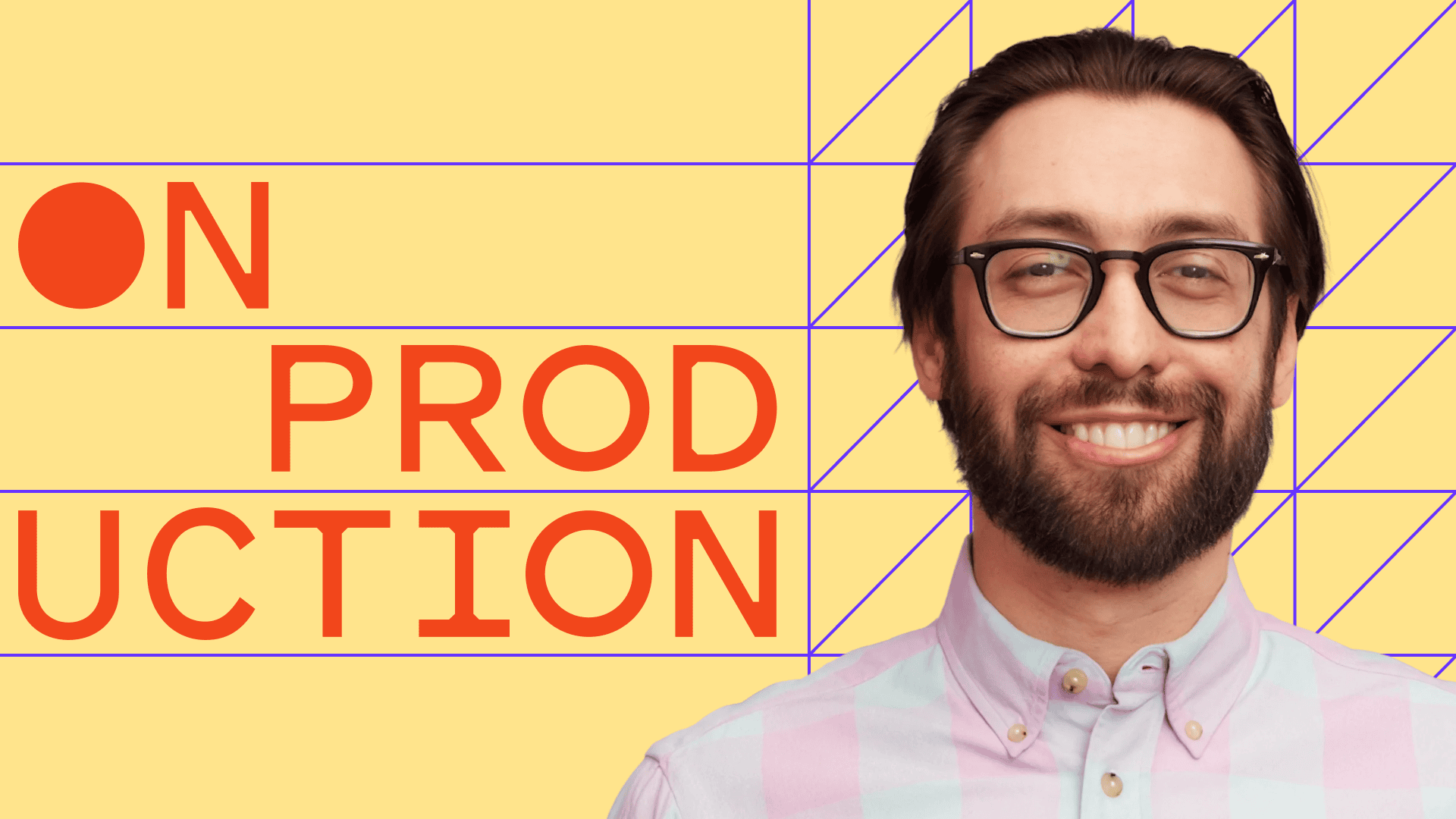
Cameron sits down with Neil Champagne, Head of Development at Tinygiant, to unpack how an independent film moves from a promising script to a major festival and why that strategy starts much earlier than most filmmakers realize.
Neil has over a decade of producing experience spanning television and independent film. His TV credits include Dirk Gently's Holistic Detective Agency (BBC America), Unspeakable (CBC/Sundance Channel, named a New York Times Best Series of 2019), Fargo (FX), The Girlfriend Experience (Starz), and Blackstone (Netflix). At Tinygiant, he oversees creative workflow across the company's commercial and scripted work, bridging story, capital, and execution. Under his leadership, the company has earned multiple New York Times Critics' Picks and maintains a 98% Rotten Tomatoes average across its film slate.
Using Tinygiant's latest feature, She Keeps Me Young, which premiered in the U.S. Narrative Competition at the 2026 Tribeca Film Festival, as a case study, Neil walks through the realities of producing a low-budget indie with an ensemble cast, finding locations that satisfy both the creative and financial demands of the film, and building a production model nimble enough to make ambitious work at the sub-$2 million level.
The conversation then goes deep on festival strategy: why Neil is thinking about a film's festival fit from the moment he reads the script, how timing and programming tendencies shape submissions, why simply submitting to dozens of festivals is rarely enough, and what producers can do to ensure their film actually gets seen. He also breaks down the role of sales agents, publicists, earned media, and relationships with programmers once a film begins moving through the festival ecosystem.
Ultimately, Neil makes the case that production and go-to-market strategy shouldn't be treated as separate disciplines. The creative identity of a film, including who directs it, what it's about, and who it's for, should be quietly informing every decision along the way, from scheduling and casting to which publicist you hire and which programmer you're sending your press release to. The festival premiere isn't where that thinking starts. It's where it surfaces.
The views and opinions expressed by guests on this podcast are solely their own and do not reflect the views of Wrapbook, its employees, or affiliates.
Neil Champagne (00:00.034)
You can submit to 120 festivals and just like, hopefully we get in. I'm not gonna tell you who told me this because then I'd be blowing them up. But less than like 5% of general submissions even get viewed. You have to flag it to them. You have to be able to get whether it's you or your sales team or your director, take that into your strategy. Because like, listen, there's a lot of noise, there's a lot of risk. You're on that thing for two and a half years.
Cameron Woodward (00:24.302)
How do you think about which festivals to target for a given project and what factors go into that decision?
Neil Champagne (00:29.624)
There's like two places you absolutely have to start. One or when are you going to camera? You're shooting a film in August and you're trying to go to Sundance. Like good luck. But then the second part of that is I know more or less, even though programmers change, each festival has a different type of film that they lean to.
Cameron Woodward (00:46.228)
But at what stage does the festival start impacting your thinking?
Neil Champagne (00:50.708)
Immediately. When I read it and look at the director's work, I immediately am thinking, where do I think their work belongs in the segment of the ecosystem?
Cameron Woodward (01:00.91)
Tiny Giant is a Brooklyn production company that shoots commercials for internationally known companies like Google and Verizon. Also, just had a film in the US narrative competition at Tribeca Film Festival. Before that, films in Sundance, Locarno, Tiff. That's just in the last several years. That kind of run doesn't happen by accident. This newest film, She Keeps Me Young, which Tiny Giant produced using rap books, stars Patty Harrison, Kate Berlant, John Early. It's a comedy about female friendship.
And it just world premiered at Tribeca's 25th anniversary edition. But Neil Champagne here is the head of development at Tiny Giant. He's the one who decides which projects the company gets behind, how they get produced, and how they get positioned for the kind of reception that leads them in a competition section at a major festival. And so on today's show, I want to talk about how that actually all works. You know, finding the right project, building it, and getting it in front of the right people. This is On Production. I'm Cameron Woodward. Let's get into it.
So Tiny Giant produces commercial campaigns for clients like Google, Nintendo, and Verizon, but then also puts films in the US narrative competition at Tribeca. How do those two sides of the company actually coexist? Does the commercial work fund the indie film or is the relationship more complicated?
Neil Champagne (02:22.19)
Well, I wouldn't call it complicated, but it's a little bit more symbiotic by design. And I think this is what kind of makes us as a unique production company. We started as a commercial prod co. So, you know, like the smugglers of the world and the caviars and every other commercial production company that uses Wrapbook or works in commercial space. But our founder and and owner, Veronica Diaferia, is
Very forward-looking and a bit of an entrepreneur. She owns an Italian language daycare and some commercial real estate in New York. And we go back to working together at Hungry Man in ‘07 when she was a PM and I was a PA working for a treatment writer. And in the commercial space, yes, you produce content as probably your listeners and you know for targets and whoever your clients are, and you work with ad agencies, but you're a pseudo management company.
Right? Like you rep a roster of directors and you bid them on a territory. And I don't want to be hyperbolic here, but I don't think every director wakes up and says, Hey, I just want to make commercials. That's the like everyone's way into making commercials traditionally, in my experience with directors, is like through long form media, whether it's TV or film. So it was a pretty kind of a no-brainer for how do we open a long-form division that then maybe can service what we really do, which is we manage directors. And Veronica, as I mentioned, being very forward-looking, we talked about it for many years. And when my contract expired with AMC, I was working in television back in Canada in 2019 or was on the bubble of expiring. V was like, I want to expand to a scripted division to help service our directors. So it can kind of be a flywheel to service.
Commercial arm, drives intangible brand value on films, and then vice versa, helps kind of grow their earned marketing exposure. And that brings us to today. There's like a lot of trial and error and things that happened that got us to She Keeps Me Young and Blue Heron and Good One and all of the success we've had in the past couple of years. But that's the general idea is like you rep directors. What do directors want to do? Make movies. So let's figure out how to do it.
Cameron Woodward (04:31.414)
I think you've just spoken beautifully to that dynamic of production companies operating as like a management company and sort of like a construction company or a production business as well. How though has moving across those different production environments shaped how you approach development and producing film and television?
Neil Champagne (04:49.548)
Yeah, so I'll try to not give you the long-winded answer because there was a lot of a lot of learnings to be had along the way and we kind of pivoted in our model that brings us to how we do it today. But I think that the first thing was is like we tried to structure it a little bit separate of commercials on like let's be a service entity, right? I have a background so similar to commercials, but let's service international films that come to New York. I'm in LA now, but I was in New York at the time.
And we're like, I have a background in tax credits. We can figure out how to kind of put the fees into tax credits, which subsidizes the budget, and we can just service films. We did that for an Indonesian film, an Indonesian Netflix film in 2019. But then COVID hit. So like the whole strategy was like work, build our brand as a service company, then pivot into development, which then we can help support our directors. But when COVID hit, it's like we need to double down quickly. So then the first step was.
Only exclusively work with the directors we rep because a lot of them are incredibly talented, have strong scripts, are incredibly experienced. And we learned that maybe we need to be a little bit broader than that. Well, that's definitely a priority. Commercials are not films, and films are not commercials. And then you add the indie ingredients, and indie is like a bit of a different animal. So then we said, okay, let's expand our scope and scale here. And how can we produce in a 360 manner?
Supporting projects that are kind of driven by our brand ethos and brand values, whether it's directors we rep, directors we don't rep, but then how can we maybe tie them together to potentially work on both sides of the business? So yeah, we produce in 360. We sit in an equity position sometimes on films. We principally produce, we develop, we long lead produce, we sometimes meaningful consult, we own a bunch of camera gear. So sometimes we just help other indie filmmakers on.
Hey, here's a camera package to subsidize your budget so you can get to work. So, like I think the global here is we learned how to be nimble because our assumptions on the two ecosystems are very different, but there are favorable connections that you can kind of lean on to take learnings from. And on a production sense, I think that the real important thing here is because we work in the low budget space, the way commercials are structurally run, as like a lot of people listening and you know.
Neil Champagne (07:16.61)
You don't have a production accountant like you do in long form in TV, like when I came from Studio TV. The line producer does that in the PM. When you're making like a sub-million dollar film, that is doable when you have a strong line producer and a strong PM team. You can kind of run it like a commercial. Again, different, but you can take the learnings of operations and apply it and actually to be nimble to deliver these films. So, like as we've learned, we've kind of meshed what works from this world from an experience.
What's not working and continue to build and grow and scale us.
Cameron Woodward (07:48.054)
Yeah, I mean look, million dollar commercials get produced all of the time without cost reporting. Did you guys do that though with this film? Did you just run it like a commercial from an accounting perspective?
Neil Champagne (07:56.428)
Yeah, every single project we've done essentially has been ran that way. We use showbiz budgeting, which like you'll want to turn back the hands of time here. But when I came to TG, as I mentioned, I was working in, you know, 20 million plus television in Canada. I worked for a showrunner, Robert T. Cooper, who created Stargate. We had an output deal at AMC. Essentially, I had to figure out how do I bridge these systems. And like I had a background in commercial, so I understood the language, right?
But I'm like, how do we bridge it to do this Netflix film? We don't want to completely migrate to Movie Magic and that workflow. What's the like in-between to manage this thing that's at a smaller level? So Showbiz was helpful on that point because it's like we can kind of do pseudo-cost reporting that at least is like tracking our working budget and there's some outputs in the reporting. So yes, it's more like a commercial than not, but we still
kind of embrace some of the traditional reporting practices to either turn that over to our investors or for us to keep eyes on it. Because as we scale and as we build our network and scale, I think it's pretty important to have that P and P in place. So you don't become complacent and then you can only make mil or mil and a half movies because you don't realize, shit, what's a hot cost? You know?
Cameron Woodward (09:11.192)
We at WrapUp are excited to welcome you into the warm embrace of our production accounting software when you're ready for it.
Neil Champagne (09:17.102)
I well I listen, I've been ready. I've been talking to Kim for a while. So I just finished my MBA while I've been working full time like a week ago. So now I can finally shift my gears to to helping us manage as a company on changing full time what our accounting practices are.
Cameron Woodward (09:34.732)
That's awesome. I want you to walk me through how a project like She Keeps Me Young gets to you. Like what does the earliest version of that conversation look like? Is it a script, a director with an idea, a relationship?
Neil Champagne (09:45.804)
Yeah, so I'm gonna kind of hit you with three pieces there. So we don't have any hard and fast rules. So all of our projects kind of came to us in a bit of a different way, all through our network. But she keeps me young specifically, came to us from Lindsay Cohen, who is India Donaldson's rep. As you know, we did good one, which was also that accounting was done on Wrapbook. While we didn't lead that, we weren't the LP on it. It went to Sundance Thing Can, but she reps India, she reps Durone.
So the the producer of Good One or one of the producers, Graham Mason and Lindsay said, Hey, we have this other low budget film that I think maybe could use your skills as a producer to come on board to help raise some capital and like really get it into the world. So they brought me the script or brought TG to script. I read it, I got it instantly, watched all of Darone's past work. He's kind of like very known in the Vimeo space. He has quite the online reel.
And he's such a singular comedic director that it was pretty undeniable that one, he was ready for a feature, and two, the feature he's gonna make is gonna be pretty interesting and unique. And that's something we care about deeply on the scripted side is like, are we making cultural art that drives the intangible brand of TG? So then we came on board. We partnered with the other producers, got out there and raised some money, cut to today, you know, like normal process.
We have a preference for projects coming to us that are like at the script phase. I know in the studio world it's like a big showrunner or Rachel Sennot can pitch an idea. For us, we're not in that universe. We want it to come to us not completely packaged, but like there has to be a clear path forward on like what are the value drivers. So with She Keeps Me Young, Darone already had made a bunch of shorts, clearly was ready, had worked at SNL, was
on the verge of maybe getting hacks, which he ultimately did and directed an episode of hacks, and the script was strong. So it's like it was a bit of we figured, okay, we can actually add value to this thing and get it off the ground. I think if it's a little bit more in the development phase where it's just an idea, we'll work closely with filmmakers on that level, but it has to be like a filmmaker that has some momentum or somebody we rep. Because then there that there makes that makes sense for us. If we're gonna invest development funds
Neil Champagne (12:12.814)
Cool, they're shooting commercials for us. So like we're in that communication world all the time.
Cameron Woodward (12:17.688)
Neil, I mean, you were mentioning sort of the the tiny giant aura. I mean, how do you describe that? So, like, you know, this filmmaker had a great voice that you felt aligned with the aura, with the ethos of the brand. But like, what are you looking for in first-time or emerging directors that make you want to put tiny giants resources behind their project?
Neil Champagne (12:41.558)
Yeah, so great question. And it's a little squishy and it's a little not. So we don't have any hard mandates or rules, but kind of the the guide rails we look for is like we're a WB and C owned company. I'm the only gentleman there other than Veronica's husband who helps out and Sarah's husband who helps out or who are both talented in the film ecosystem in their own win. One's a VFX op, one's a DP. So women.
To the front of the line, female filmmakers to the front of the line. And right alongside that is like BIPOC and underrepresented voices. You know, Veronica's an immigrant from Italy into the US. It has a different worldly perspective on kind of art myself, I'm Canadian. So that's like the main thing is like, is it a voice that's maybe underrepresented that we're willing to go to fight for? The second part is like scope and scale.
Films between a half a mil and two is kind of our sweet spot today. And then on top of that, there needs to be some form of body of work that this is where the squishiness comes into play. And this is where I'm blessed that I have so much agency and autonomy that I need to feel that the director's ready and real. That's like the language we use internally all the time is like, is this a real director? And not that there's a a wide swath of skills the director must possess, but
I came up as a writer director, spent a lot of time in writers' rooms, second unit directed for some very senior showrunners, learnt a lot. I'm by no means the best director, but I I know enough to be dangerous, which has helped me analyze and review and like use my creative instincts to see who's ready and is gonna make something that's interesting. Because, like, listen, there's a lot of noise, there's a lot of risk.
If you go make something that's not singular in voice or someone who's not about to break through, then it's it's like you're on that thing for two and a half years. You gotta believe in the art form of it. So like that stems down to like the writer and director, which we also like to kind of be the same person.
Cameron Woodward (14:49.858)
You know what's really cool about that, Neil, also is like both that aligns the values of Tiny Giant, but also like something that I hear from guests over and over and over again on this show in the indie world is how critically important it is to find audiences for the film. And so, like, with these budget ranges, without a massive distribution center to do marketing on these things outside of the festival runs, having groups that are not necessarily broadly represented in cinema, that's sort of like a
Built in audience so that then you can let the project on its own merits of being good get to a wider audience. So like that's a really cool strategy, both from a distribution standpoint, from the fact that we're able to elevate you know, this art form for a community that doesn't necessarily always have that platform. And then also, you know, the other side of that to your point is like, does it just feel good to watch? Is it entertaining?
Neil Champagne (15:44.13)
Well, and like not to get too like too MBA or businessy about it, but like you're scratching on kind of the major shift that has happened in the entertainment ecosystem with the techifying of a lot of these distributors and exhibitors is like they believe in demand side economics, right? Like once upon a time, when we sold widgets a hundred years ago, supply drove those choices. Now demand is gonna drive your audience. So you kind of have to find a way to measure that. So like our
pseudo way of looking at that is like Sophie Ramavari on Blue Heron had two multiple shorts in the Criterion Collection. She had a following in her own segment of this art-driven ecosystem, thrown the same way. He's this Vimeo comedy guy that people knew. So it's not the same as like, we know Olivio Rodrigo is a huge fan base in Ohio, but it's exactly to your point on when we know when we get to distribution,
There is an audience there. How well can we tap it and how big is it? We don't know yet, but we know people like appreciate the work. So it's like it's kind of a cosign, you know? It's like i i if people in letterboxd like their work, we wanna be there.
Cameron Woodward (16:56.82)
Most art needs a catalyst. And so, like if a built-in community can be the catalyst to then get it to a wider audience because the content itself is good, that is a reasonable strategy. And that's very fascinating how you're approaching it. And that's like a perfect vehicle for indie stories as well. That's really cool. How many projects are you developing at any given time?
Neil Champagne (17:17.174)
Yeah, so it fluctuates. What I like to have is at least a project at any part of its lifespan simultaneously. So that's more or less three. So something that we're prepping, something that we're shooting, something that's in market or on post that's about to go on market. Broader development and production pipe is I'd love to get that between like five and seven a year. We'd have to scale to do that, but like.
Sometimes we're at the wind of the market. So it's like if we find two really great projects that have really smart finance plans that really need our help, and one of them is meaningful consult because we got to help build the business affairs, where the other one's physical production and we're running the whole thing from top to bottom. It's like where's the bandwidth? Who how big is the producing team? It kind of dictates how much we can take on and actually be like present and mindful to deliver these things.
But like three to five a year is like what we've reasonably seen over the past twenty four months.
Cameron Woodward (18:16.686)
That's great. So I want to pivot a little bit to this newest film, She Keeps Me Young. You know, I mentioned earlier it's got Patty, Kate, and John, awesome cast for an indie comedy. How did you assemble that kind of cast at the budget level you're working at?
Neil Champagne (18:31.916)
Honestly, I'd love to take credit that I just spoke to the agents and brokered a great deal. But it's Darone. It's like similar to what we spoke about earlier. They're all friends. They all come from the same comedy space. we had a great casting director that helped us kind of fill out those the cast around them and Henry Bernstein Russell, who's also pretty prolific in the comedy realm. But like Darone's work was known. He's friends with Kate and John, and that like kind of started to topple.
How we were gonna put this together. I think a nuance, which like a lot of filmmakers and people know, but we were mindful and like what the cast ask was because like our leads are are Katie Fullen, Blair Beacon, and Shay Rudolph. But we were smart in the sense of like, how many days do we think John or Kate actually would be working or Patty would be working in this true ensemble script? And as we were prepping.
Darone and Katie and Blair were constantly rewriting that to see how many days, like, could we work? Could they work five? Could it be three? Is it two? Knowing that this is a small movie, and I don't want to call it a favor because they'd love the film, but they were also mindful of helping their friend Darone on this small project. So where does that fit into their schedules, right? Like we shot on the back of Maddie's Secret for John. Kate was doing the Charlie XCX project.
Cameron Woodward (19:59.106)
Yep, that premiered at Sundance this year. Yeah.
Neil Champagne (20:01.396)
Exactly. She was on that while we first went to camera. So, you know, to answer your question direct, it's like we got the cast through our director who is knows them and they know his work and they're all in the same kind of comedy cohort. but then to make it easy, we were very mindful on like letting the writing kind of push and structure the production plan so we wouldn't lose cast because it's important to have them.
not only for the performance and artistic merit of the film, but like it also helps us punch up on a small movie, you know?
Cameron Woodward (20:35.82)
Yeah, one hundred percent. To that point, like what were the biggest production challenges on this one? Where did the plan be reality and require the most problem solving?
Neil Champagne (20:44.12)
Well what a question. Do you got another two hours?
Cameron Woodward (20:46.958)
There's no time limit on on production.
Neil Champagne (20:49.554)
Yeah, I love it. So I wish I wish our other fellow producer, who's kind of the boots on the ground line for us, Nicole Crespo, is here. But I think the biggest challenge off jump was finding the shopping center where like 75% of this film takes place. All the characters work at a mall, and that's they hang out in like the alleys and the corners of the mall and like the places where people take smoke breaks, right? And
Originally the script was like written in like a bigger mall than you like the places where you'd see a Verizon store. So we're like, okay, let's lean into the commercial side. Here's a great example of like we can get Verizon on the phone to maybe have them give us a store or JCPenney or some of these places that we work with. And we quickly learned, or I shouldn't say that quickly, because it was a little bit of slow to get people to actually respond and read.
That maybe we weren't gonna get the locations that we thought. So we had to quickly find a mall that made sense creatively, but also could fit within our budget parameters, but then also give us the production infrastructure that you need to shoot nine days in a mall, right? So, like kudos to Nicole and Daron for being more water than wood on making it work. But that was the biggest challenge because if you did this in a traditional way.
You know, you're looking at thirty thousand dollars a day to buy it out and plant your trucks and can you shoot when they're open? They're asking to shoot when you're close. And like we were just too small. And Daron doesn't like to work that way. He's like very nimble and can shoot in the real world. So that by and large, I think was the biggest challenge, I think, off jump.
Cameron Woodward (22:30.574)
That's great. So, I mean, you've mentioned it. The film's directed by Darone, co-written by Blair and Katie, who also star in it. What does it mean operationally to produce a film where the writers and director are this embedded in the project? Which is not to suggest that writers and directors are not always deeply embedded in their projects, but it's a different scale. There's just a different intimacy in what you produced here.
Neil Champagne (22:52.332)
I don't want to call it luck. We all have different superpowers, right? So in the whole directing pod between or the whole producing pod, I should say, between myself, Graham, Nicole, Daron, and then Katie and Blair were also EPs on it. We all have different superpowers and like where our strengths lie on like where we can drive stuff and who thinks about what in in a nuanced way. And in this particular case, it actually worked really well.
Because Katie Blair and Daron really focused on creative. Nicole and I would kind of raise the alarm on production and what that might mean for post and then go to market strategy. And everyone's like kind of in lockstep supporting one another. And I think more importantly, it created a good friction where it allowed people to like look from different perspectives. So it's like, if I'm pushing this idea.
To like, hey, we need this for a marketing strategy so we can help our festival roll out. And they're like, but that doesn't align with maybe how big the character's role was in the film. It's like, that's a very good point. And I this isn't my experience on all films, but in this one it was, and it worked to our benefit. So there wasn't like a lot of friction on who was doing what and like roles and responsibilities. It was more so like the holistic perspective of where everybody's operating from to help get this thing to where it should go.
Cameron Woodward (24:17.154)
I wanna talk about festival strategy. So you've now had films like Tribeca, Sundance, South By, Licarno, and Tiff. How do you think about which festivals to target for a given project and what factors go into that decision?
Neil Champagne (24:30.348)
Yeah, great question. Every project's a little different, but I think where you have to start, there's like two places you absolutely have to start. One or when are you going to camera? Like that's the obvious question. Is like you're shooting a film in August and you're trying to go to Sundance. Like, good luck. Like may maybe if you're the most dialed production and post pipe in planet Earth, but
That's like first and foremost. So we always look at when is this going to camera? So what does that mean for festival rollout? When does the season start? Which then affects buying too, right? And affects like distribution when you're gonna hit a theater potentially. But then the second part of that is I spend a lot of time in my role at TG touring festivals and watching a lot of stuff and tracking stuff that's coming out of festivals that's getting bought or
maybe languishing between a buy, which we can't control. That's the market. But like we I know more or less, even though programmers change, that like each festival has a different type of film that they lean to. And that changes every year. But like Locarno, we have a great relationship with a programmer there. I could email him now and he'd probably email me back. He's he's a great guy. He's a Cinephile. I can get stuff to him pretty quick. But
He's not gonna take on like a left of center queer comedy. Like that is not a Locarno film. They want dramas that hit. And where's the international component? So, like Blue Heron made a lot of sense there. It's a Hungarian-Canadian co pro. It's a real heavy drama, which is also a brilliant film. It like made sense there. So those are like kind of the two pillars we operate from. And then you like work your way down from the top, right? Like
If you can get into competition in Arzante in in Venice or in Cannes versus getting into maybe a seed or or Carlo Very, which is they're all great festivals, there's a little bit of positional strategy on like, well, what's gonna give us the biggest flash? But also so help punch up scope and scale and positioning of the film. But then you have to balance that with, are you gonna get lost?
Neil Champagne (26:47.008)
If you don't have cast or you can't market it, which then ties into the real important part is like earned media, because all indie film is based on earned, right? Like you said it earlier, like you don't have the marketing budget. We're not studios where it's like one-to-one ratio. It's like we're dependent on publications writing about us or picking about us to create that earned engine, which then helps us get picked up for other festivals, which then helps people talking and reviewed on Letterboxd, which then creates the demand.
So that's part of it on like where is the press going to be and how competitive do we think we can be on an earned media front? And again, a lot of this is out of our hands, but we talk about it in in that strategic way, thinking about it on like maybe where do we think we can break? That was a long answer.
Cameron Woodward (27:35.688)
It's really insightful. I really like what you're describing. I mean, look, I've been to Sundance, I've heard from filmmakers, like, look, I'm here because I want to get my my film bought and like I respect the audiences, but there is a film festival audience which is not necessarily the catalytic audience that I need to get this thing out there. So like what you're describing makes a lot of sense. And I'm curious though, like at what, I mean, of course, you may not want to sit on a film.
Because the zeitgeist changes, the world changes, you want to get this thing out and seen. Of course, it's art. You want it to have an audience. But at what stage does the festival start impacting your thinking? Like, did you read this last script and go, This is a Tribeca film? This is not a Locarno film. And then, you know, and then what are the most important decisions after that? Which affect whether a film lands on a major competition section.
Neil Champagne (28:32.31)
Yeah, I think there's three things. So to answer your first question, yes. Like when I read it and look at the director's work, I immediately am thinking, where do I think their their work belongs in the segment of the ecosystem? Whether if I'm right or not, it's a whole other thing, but immediately I'm like, where does this go? So for sure, she keeps me young, perfect example. it first was taken out two years, I think it was two years before it came to us at the Tribeca Creators Marketplace.
So, like they started pitching that project in the Tribeca ecosystem. We have a good relationship at Tribeca. They do comedies. It like in the back of the mind, we knew this would be a good home for this movie to premiere it, right? Like that was a little kismet, but like we assess every project that way. And I think like when you wait and how you change your festival strategy is really reliant on two things. Is one,
What's the stomach or relationship you have with your investors and the producing team and the directing team? Because sometimes your equity investors are like, Cool, we trrust you to shepherd the ship. You didn't get into Berlin. Let's sit on our hands for Venice because we think this is an international Venice or TIFF, right? Let's sit on our hands and see what happens. So, like, that's a big component on how patient is the broader.
EP and capital P producing team well and creative team. But then where you pivot in that strategy, I think is once you start getting feedback from programmers and once you get in. Because so, like we did the travel companion, which premiered at at Tribeca last year. It's a great punchy New York indie. It's really tiny, but it's really special. And outside of Tribeca, it did a bit of a regional tour, but didn't have any luck in Europe. It didn't do what some of our other films were doing. So we sold the ancillary to O Scope and said, we're gonna manage theatrical. So we pivoted in that strategy, realizing that, like, actually, wait, these filmmakers have a following in North America. We should tour this film. And if you look at Dead Lover, which we didn't do, but that filmmaker is incredibly talented and also Canadian, go Canada, they like knew that was an inventized film. So when Cartoona got it and James got
Neil Champagne (30:59.032)
purchased it or gave an acquired it to distro. I think they knew pretty on this isn't like a broad distribution strategy. It's a tour type film. So your festival anchor off strategy is like your first kind of clue on maybe what this thing's going to be, because it's a little bit of art and science here. And then it's like you pivot on how do you get it out to see the world based on where you're landing in the in the festival ecosystem.
Cameron Woodward (31:24.502)
That's very insightful. I mean, there's the submission process itself, which the longer you do this, the easier that process becomes. You get to know programmers, it becomes a part of the process. But like, what should producers understand? Maybe on that strategy point where there is an art and a science, you have to be able to like remove yourself from the work and then just look at it with clear eyes so you can figure out the right strategy. But you know, what should producers do you think understand about like how films are actually evaluated and then selected that most people in the indie world get wrong and then by extension, what to do even beyond that point?
Neil Champagne (31:58.752)
Yeah, I think I like numbers. So I think three like main points is like we talked about it a little bit, but know the festival. So you know, you can submit to a hundred and twenty festivals and just like, hopefully we get in. But in my humble opinion, you're gonna burn cash in those submission processes that like maybe you can keep in your pocket if you're like not a right fit for that festival.
And again, I know it's like it changes every year. Programmers have a tendency to program different stuff, but there is like a bit of a through line on like what type of films people are taking where. Like TIFF is a champion for Can Con. So like if you're a Canadian filmmaker, you should not ignore TIFF because they have a whole section for it, right? Like it's telling you what they like to program. So that's the first part. The second part is like.
Network, network, network, network with the festivals if you're trying to live in that ecosystem. Meet the programmers, meet filmmakers that have no programmers. Like be in the management side of those festivals. Because I'm not gonna tell you who told me this because then I'd be blowing them up. But in larger European festivals specifically, I can't speak to North American.
But less than like 5% of general submissions even get viewed because they're so inundated. So that doesn't mean you're gladhanding a programmer. It's not working like that, but you have to flag it to them. You have to be able to get whether it's you or your sales team or your director, another producer, you know, fairy godmother EP that's on board. To be able to get it in front of the people that are viewing, that's the other important part. So you need to.
Fake that into your strategy. Cause if not, many major festivals in Europe, you're submitting to a place that you may never get seen, especially if they're an unknown filmmaker and they're not being tracked and they're not anybody's radar.
Cameron Woodward (33:56.77)
There's a a pretty well known anecdote in Silicon Valley related to venture capital fundraising. And there's a huge firm, very awesome firm called Andreessen Horowitz. They're an investor here at Wrapbook. But one of the founders and partners there, Mark Andreessen, has said, you know, like the entire organization is organized around talking to entrepreneurs and funding them. If you can't get an introduction to me, like you're not ready. Like literally, like there is a a mechanism.
and a filter in place because there's so much inbound. And it it sounds like that's a similar corollary to getting into the right festival.
Neil Champagne (34:32.544)
A thousand percent. And I think like the final note to that is you you gotta get to people, but then that's no guarantee. So you have to be ready for like contingency plan and then the contingency of the contingency and then that contingency. So how are you thinking about because as a producer, your job is to get the film into the world. There's a million other responsibilities in that role, but like when the film's done, if you're accountable for your investors' money, which I
often am, I am. I need to figure out if like if Cannes doesn't anoint us this year, then how are we getting it out to the world in that market? And what does that look like? So you have to be always ready to pivot and always be ready to like fight and be an advocate, whatever that means. And and I'm a big believer that the market and the universe reveals the answers to you as you kind of go. It gives you feedback and then
you have to be in tune to read that and then pivot. But that's an important thing to know because if not, then you keep doing the same thing over and over and over getting the same result. And like you're not moving this piece of art forward into the world.
Cameron Woodward (35:44.14)
That's very wise. Neil, to that point, once a film gets into a major festival, what does your job look like during the festival itself? How do you manage the business side while the film is screening?
Neil Champagne (35:55.37)
Yeah. So I think the two important things there, which is like I'm again, I'm sure you a lot of your listeners know this, is one, reserve money for a publicist. Like even if it's 5K, like a festival publicist will make your life so much easier as a producer. So the two things that
You really do is while you're chasing these festivals, you're trying to partner with sales agents, whether it's the agency side or it's the independent sales agents, just like you're trying to get programmers to view it, you're trying to get sales agents to view it and take it on because they field all the incoming from buyers. That doesn't mean you can't get it to buyers in your own way, like Blue Heron as is and as is as an example, more than films rep.
International, we didn't have a North American sales agent. Like Brian and myself and Riel and some of the other EPs on it, like guided it. But Ryan was on the front lines talking it himself. But having a sales agent makes that easier. It like catches that incoming. Not always needed, but it's a thing that you have to take into account when you're figuring out what are you doing for festivals. And if you are going to work with a sales agent,
Have it in place before your festival premiere. If not, like there's nothing for them to do. And then I touched upon it, it's the publicist. So get a publicist on early. They obviously help. Yeah. So I think the two main things is one, talent wrangling. If you have a big cast on the carpet, that's a that's you know, for us, we had eight, nine, ten people walking the carpet on top of EPs.
They have a list that helps who's shooting what, right? It's just like think of a coordinator that's really good and getting those photos done. That's the and getting them on time to press junkets. Like they're building that schedule. The other part of it is they're pitching, I talked about it earlier, on earned media. They're pitching publications on trying to get your films on best watch lists. And some of them have more leverage than others. And
Neil Champagne (38:05.976)
Some work better in whisper campaigns. They all kind of have their own superpowers, just like not all producers are alike. But they're the ones driving the initial earned media and review process, which is really important to you. So, like every film we do, I try to make sure I'm on the radar of a sales agent early, even on the script phase, or we'll do a production announcement after we're done shooting. So we're on the radar of the agencies. And then like I'm talking to early on.
To publicists that we know and like on what festivals we think will hit and what their bandwidth on how many films they're taking on for those festivals are. Because then your job as a producer at the festival becomes a little bit easier, but you're still managing tickets. You're still making sure everyone that publicity's wrangling and requests are for are showing up to these junkets. Like you're still involved as
project manager of this thing. That's how indies work. So yeah, I you know, you just don't have to work as hard or you have a little bit more support on the festival side when you have experts stepping in to help create the rollout.
Cameron Woodward (39:13.816)
That's great. So I know at many of these festivals, it, you know, there's a couple things. Every movie is different. Every festival is different, has a different vibe. You know, at Sundance, if you've got a great movie, it might get bought there. That doesn't always happen though. You know, how does the distribution conversation actually happen for an indie film coming out of a major festival from your view, off of all these movies that you've done? When does it start? Who's in the room? And how do you know when a deal is right?
Neil Champagne (39:42.678)
Yeah, so it's slowed drastically over the past couple years. Even from Goodwin to Blue Heron, the like the rate of that deal has almost doubled on how long it takes. So like Goodwin was pretty rock solid on the back of Sundance. I don't remember the exact timeline, but like it was pretty imminent. Where Blue Heron, we kind of popped out of Locarno.
And people were watching and viewing, buyers were looking at and and circling, we didn't sell until post-TIFF. And part of that was like, okay, this is a great press release opportunity to sell it on the back at a TIF because we were also playing TIFF. So there's that kind of earned media element on how does it become a marketing engine for you. But there listen, there's P press and industry screenings, P and I screenings, they give you a list. If you have a sales agent, they're aggregating this list.
If you have a sales agent that's taking the film in market at other festivals for your premiere, e.g. visits doing She Keeps Me Young. They took the film to Cannes before we premiered Tribeca. So a lot of international buyers were looking at it in advance. And then it's a bit of a waiting game on like how fast is the market moving. And it's a lot of follow-ups. So like we had our
weekly sales call with our sales agent on She Keeps Meeting last week. We're we're like a week and a half or two weeks out of Tribeca. I don't even know what today's date is. But it was like, where are we? Here's the list of everybody that's viewing that's been pitched. And it's like now it's the follow-up game to see what that interest is. And are we getting to second and third screenings? Is there serious interest? And I think your third question there on like, how do you know if the deal is right? Is
I hate to say it, but like sometimes you're only getting one or two offers in the modern market. And you're gonna take the deal that you can get. I'd like I wish that wasn't the case. It's just like it's not the Scott Rudin indie era where you know there was a frenzy for people buying films, whether it's a million or three. But within that, hopefully you have a couple offers.
Neil Champagne (41:59.638)
And I think the first thing to think about, and this is where a sales agent's reliable, but you also have to know the buyers.
Cameron Woodward (42:05.984)
And we'll also see what happens. It's a market, right? I was at the produced by conference a few weeks ago. The whole place was buzzing because of backward obsession. And you know, everyone loves to dream of buying a million, you know, a movie made for a million dollars, buy it for 10, knock a home run. Like who you know, I would imagine there's gonna be buyers on the other side that are thinking, hey, maybe there's a viable path here now that there wasn't a year ago.
Neil Champagne (42:32.108)
Yeah, I think definitely in the genre space. I think outside of genre, it's like what is the industry telling you? Everyone says comedy's hard, but like I think we're about to hit a comedy wave too. The
Cameron Woodward (42:42.914)
biggest question had been, are people paying to go to the movies? And I think more than genre, we're seeing younger people going to the theater. So like regardless of I think you're right. Like what there's been this glut on indie comedy and that was a a number of conversations I was having at PGA like, hey, we think that there's a play here, like let's bring the comedy back.
Neil Champagne (43:03.458)
Yeah, I I think it's like everything's secular, Lar. Like bell bottoms are cool now. Like and that's just how humanity works in art and commerce. So I think it's like paying attention to the writing on the wall. The like the final point I'll put on deal structure, depending if you have one offer or ten, is like don't be scared to push back. Like I love deal making, I love negotiating. It's like it's just in my blood.
And I've learned having seen a couple of deals happen, whether it's the sales team driving it or us myself as a producer, the other producing broad having to be on the front lines, I think it's like you need to know the ethos of your film and like where that could go strategically and then fight for it. You know, it's all a conversation. Don't be aggressive, don't be a dick, but know that maybe you can push for a bit of a higher MG or maybe take a smaller MG and carve out theatrical if you think you can actually do theatrical yourself.
So it's a new world. So like all bets are off. You kind of just have to know what you have in your hands and really believe in it.
Cameron Woodward (44:09.132)
That's amazing. This has been fantastic, Neil. Congratulations on the film. I'm eager for more people to get a chance to see it. One last question, which is, you know, is there a question about indie film development and production that nobody asks but should?
Neil Champagne (44:25.198)
I wish you would have let me prep for these questions. I should have asked in advance.
Cameron Woodward (44:29.184)
It's never as good of a conversation if I do that.
Neil Champagne (44:31.638)
Yeah, totally. A question that like nobody thinks about. I think the the smart producers think about go-to-market strategy and how that aligns with and I've talked about this like a little bit on this call, but there is a symbiosis and a connection between your go-to-market strategy and the artistic merit of your film. And that conversation and that thought.
Well, it is iterative because the script changes, production changes it, post changes it. You kind of need that, in my opinion, at least it works for me, percolating in the back of the mind on every decision you make along the way before getting it to market. From schedule to where festival do I think this fits. So what programmer should I be sending the press release to?
What publicist am I hiring that has a good track record out of that festival? So like it's not, hey, just you can get it. It's kind of interconnected as you make those decisions. Like, I'll give you a perfect example. She keeps me young has a great cast. A lot of publicists probably could have crushed promoting the earned aspect of that film. But RJ Obscured is like a champion of queer cinema. And Darome talks as
He's a queer filmmaker who tells straight stories. So like it it made sense that like our publicist got the artistic merit of this film. And that idea that I'm a queer filmmaker that makes straight stories has been something we've been talking about when we first took on the script. So like that is really driving the strategy around the artistic integrity of the film. So like they're not separate. That's like the one thing is like think about, find a way how to
to create some matrimony. And I think the path then becomes a little bit easier to see on how to get a film out into the world.
Cameron Woodward (46:33.986)
Fantastic. Neil, thank you for joining me. Again, congratulations on the film. Thank you. All of the slate. And we are really proud to be able to support you all at Tiny Giant here at Wrapbook. Thanks for all of your insight.
Neil Champagne (46:46.006)
You guys are the best. Thanks for supporting us and continuing to support us. And shout out to Kim. She's, you know, incredibly responsive.
Cameron Woodward (46:54.615)
That's awesome. Thanks, Neil.
Neil Champagne (46:56.364)
Take care. Bye bye.
What should you prepare before submitting your project to film festivals? Take a look at these tips that can set you up for a successful film fest run.



Get pricing, see a product demo, and find out how much easier payroll can be.
