
Join the Crew
Get the best resources for producers delivered to your mailbox

Get the best resources for producers delivered to your mailbox
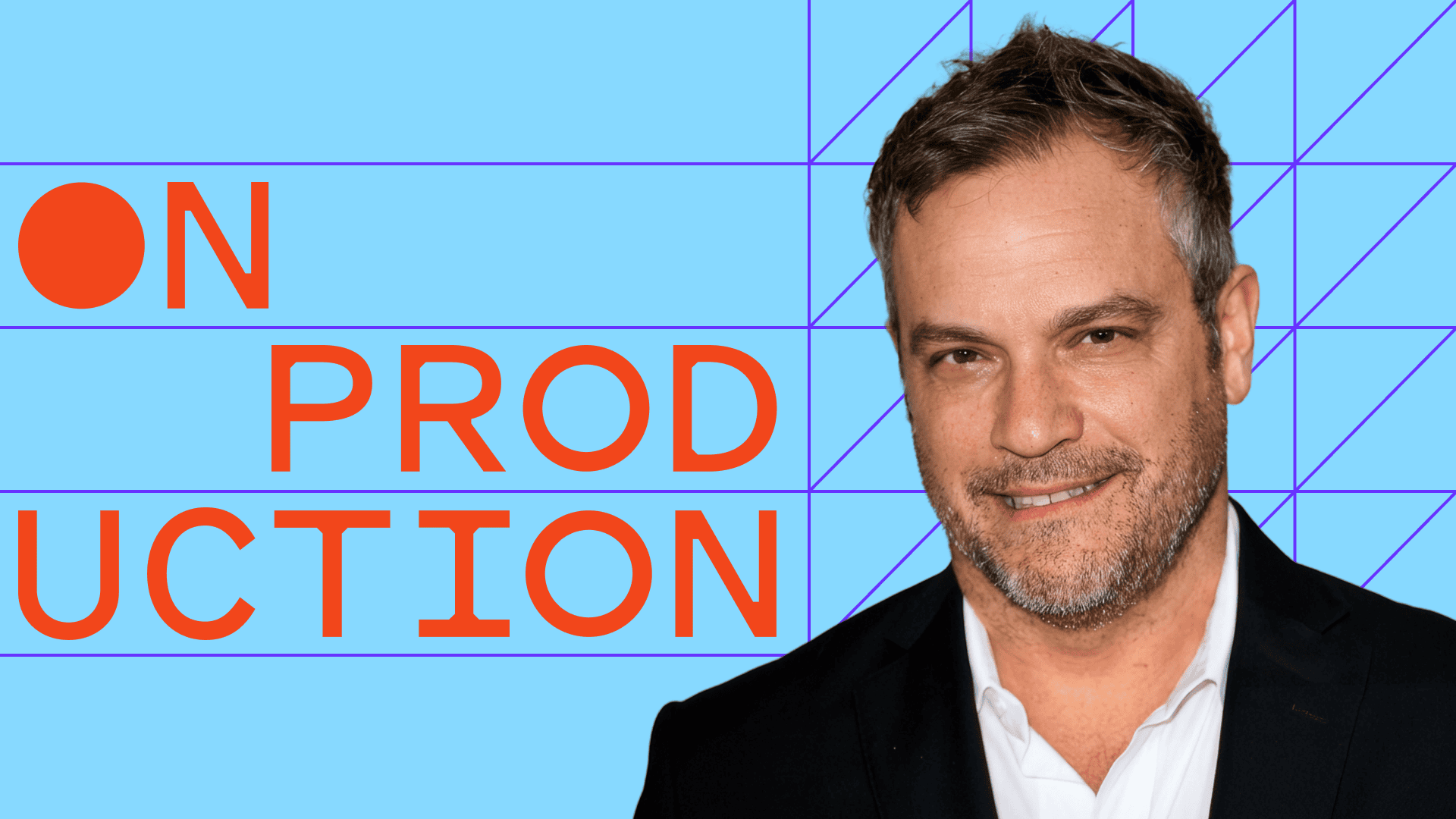
Cameron sits down with Jeremy Garelick, writer, director, producer, and founder of American High, to explore how a former high school in Liverpool, New York became the base for a different approach to making comedies.
Jeremy started as an assistant at CAA and then for director Joel Schumacher, and he sold his first script in 2002. He co-wrote the production draft of The Hangover and has written, directed, or produced films including The Break-Up, The Wedding Ringer, The Binge, and Murder Mystery 2. In 2017, he founded American High, which has made more than 20 films, runs a digital network of comedy channels, and operates the Academy at American High, an educational program. He was named one of The Hollywood Reporter’s Top Innovators and won the 2023 STEAM Company of the Year Award.
Jeremy explains how the idea took shape. Studios had stopped making modestly budgeted high school comedies, and he noticed that those scripts share the same handful of locations: hallways, a locker room, a gym, classrooms, a field, and bedrooms. A line producer’s early estimates put the savings at roughly a third for two films shot back to back and about half for three. He then walks through buying the school, running into zoning restrictions, and answering them by starting a film school with local colleges, which became a crew pipeline. By his count, more than 1,000 students have gone through the program.
The conversation also covers American High’s digital side: daily sketches across its channels, how audience reactions help the team decide which ideas to develop, and how a pizza-shop sketch series, Minimum Wage, grew into a Netflix series. Jeremy talks about backing first-time directors, putting early cuts in front of audiences, and why owning its library is a long-term goal. From financing a chase sequence through a brand partnership to opening a real pizza place tied to one of the company’s shows, he describes a producing style that relies on resourcefulness more than elaborate planning.
The views and opinions expressed by guests on this podcast are solely their own and do not reflect the views of Wrapbook, its employees, or affiliates.
Jeremy Garelick (00:00.206)
I almost got arrested shooting my first and we didn't have any permit to do that. And my DP wanted to put a 25k on top of one of the buildings. Like if I get arrested, which I'm sure I'm going to, like just finish. Make sure you get the shot and finish it.
Cameron Woodward
I love your approach to all of this with you and your partners are just like, let's just we're throwing ourselves off the cliff and we'll figure it out on the way down.
Literally how we've done everything. I can make this movie five million dollars. It's nothing. I can make it for five million dollars. And he's like, well, it still costs twenty million dollars to distribute it, with less risk than spending a billion dollars to make Spider-Man 27. So they want to spend a billion dollars and then make a billion dollars. I started realizing that the locations are hallway, locker room, gym, classroom, showers, field, and then everyone's bedroom. If we can just have everything in one space.
We can save so much time and so much money and be extremely efficient. Like, how do you find a high school for sale? So I Googled it and it was like high school's for sale. Landed in Syracuse and we went, we toured the school and we're like, this is where we're doing it, this is where we're setting up shops.
Jeremy is the founder of American High, which is a production company built around one of the most unconventional studio models in modern comedy. In 2017, he purchased a former high school in Liverpool, New York, and transformed it into a working production campus, turning a real location into a repeatable engine for developing and producing movies outside the traditional Hollywood system. In this conversation,
Cameron Woodward (01:33.558)
I'm really excited to dig in to the nuts and the bolts of what it takes to build a studio outside of Hollywood, from the economics of running a production campus to developing a pipeline that bridges digital comedy and feature filmmaking. This is on production. I'm Cameron Woodward. Let's get into it.
Psyched to be here, Cameron. This is awesome. great introduction. Great job.
I I mean there's even more I could talk about. I mean, like you dug into traditional production, you've gone that road, you saw this opportunity. I, in my opinion, years before others. And it's really cool to talk with you. I mean, I've been trying to get you on the show for a while because I think your model is this really cool physical articulation of where media creation is going. And to that point, I want to kind of like go back. Like you broke through with the breakup after selling the spec.
you know, the golden tucks. And then you moved into large scale studio comedy work, you know. So when you look back at that period, what did it teach you about getting a comedy package like over the line? Like actually getting it made from the attachments, the timing, the practical considerations you had to make to actually get it greenlit. You know, you're making comedies, you're supposed to be on serious. How do you do this very serious work and get a movie made?
That's a great question. But first of all, I also want to just say that I we try me and Will, my partner Will, try to do a podcast and we were doing it, I don't know, we did it like once a week. And we were so unprepared. And I think people don't realize how difficult it is to just be super prepared and do your homework ahead of time. So I appreciate your you you doing your homework. And I for for the listeners out there, I think it's important to know that you actually put a lot of effort into this and a lot of homework.
Jeremy Garelick (03:18.67)
'Cause it's not as easy as just turning on a camera and and just winging it, which is what I thought we were gonna
Thank you for your time and like doing this. I mean, we I do try to run a show here that is actually useful for people that make movies. We love movie fans, but like producing movies and digging into the finances is like genuinely an a an interesting passion of mine.
Sure. Well, Cameron, I'll I'll just take you back a little bit to like how I got into it, if that's fine, because I think it all leads up to the, you know, the production mind that I kind of found. So I was an intern for a company called for a producer named Marty Katz. Marty Katz Productions. this was after my sophomore year of college. And he was a physical, he was the head of physical production for Disney forever. So everything that we did, even if it was
just for getting coffee for the office. Everything we had to we had to try to find the least expensive or for or free. You know, there's a one of the things he he taught me was that, you know, a lot of people are willing to give stuff for free. A lot of companies are willing to give stuff for free in exchange for something. You know? So that was something that I I really learned from Marty Katz. And then I worked, wow.
Big storm happening here. It's gonna turn into a horror movie on this podcast. So then I worked for David Milch. I worked on NYPD Blue for the next summer, intern NYPD blue and Brooklyn South. So I saw how that was kind of done. That was that was shot in LA for New York and it was on the
Cameron Woodward (04:57.58)
Yeah, you're a New York y you're a New York kid that got into production over there.
I'm a New York kid. I was I was born and raised in Rockland County, New York, where I am right now, where the thunder's cracking. and then I moved to LA when I graduated. I worked for at Creative Artists Agency, which was my friend. I did the whole, you know, assist, you know, getting coffee, making copies, delivering scripts, all of those things. Very tight. You know what? I started tight in the beginning and then like after a few days, I was sort of like, I don't really need to wear this tie.
Tight tie, I'm sure.
Jeremy Garelick (05:29.11)
I was always just sort of like, okay, this is, you know, and then it's towards the end, I'm like, maybe I don't need a tie. But I worked there when I first graduated, I worked there for a year and two months. And that was just I was in the epicenter of where the deals got made and all the actors and the studio. So I learned so much just being on every phone call and just listening. And I w was then I what I wanted to do was direct. so I just put it out there. I said I want to work for a director if there's any
any of our clients and I got a call from Kevin Uvain who was who who ran CAA and he said, Joel Schumacher's looking for a new assistant. You'll start like next week. Or so I I look great. So I went and I worked, I drove from Los Angeles to Stark, Florida, where we talking about where we shot. We shot a movie called Tiger Land. And my first job was escorting Colin Farrell to Miami to make sure he got tan.
So that was my first that was my first assignment for the weekend. And we were the same age. I had just I I just graduated. I mean, I was a year out of college.
This is a job even then no AI could do that job. You know, you it was you.
I don't know. I don't think I mean I think AI will just make him tan afterwards. He didn't have to go he didn't have to go. We'll just make a tan Colin Farrell. But but the experience that we had that weekend, I don't think AI could ever recreate. And I don't think I could share that on this podcast today without without getting in trouble or getting him in trouble. So but we did have fun. He did get tan and then we shot the movie Tigerland, which was just an incredible experience. And
Jeremy Garelick (07:07.574)
Literally the first day I was on set there, I learned and this was Joel Schumacher who had directed the Batman movies, Time to Kill, like massive, massive block blockbuster box office director. And then we were but the first movie I worked on for him, he shot on eighteen millimeter film in Stark, Florida for no money. And it was pretty incredible to watch how that was done. Maddie Libatique shot it, who who you know, this was a he he shot the de all the Darren Aronofsky movies and
was great to watch these kind of big time directors and and DPs come and and work on such a but low budget. Did that I worked for Joel for a year and a half. It was pretty incredible. I got to work on almost two years I worked with with Joel. I got to work on four different movies as his assistant. So I first one was Tigerland, second one was Phone Booth, which was also a pretty incredible lesson on production because the whole thank you so much. Just production wise.
We were, you know, we shot a lot of that in in Los Angeles also for New York. and we shot downtown and it we had to for some reason we had to move it from like sixth street to fifth street the day before, which was which was crazy. But we accomplished it and shot that phone booth. And after phone booth, I did a movie called Bad Company with Chris Rock and Anthony Hopkins for Jerry Bruckheimer. And that was sort of you got to see the difference between doing kind of the low budget movies and then like flying on the Concord to Prague with
you know, insane, insane, but and from there I went to I worked on a movie called Veronica Guerin with Cate Blanchett, and that was in Dublin. And I got to direct second unit on that movie, which was incredible. And the entire time I was writing. So wrote a script called it was called the Golden Tux at the time with my then writing partner, Jay Lavender. And we sold it to Todd Phillips and to the Weinsteins. and that's when I
was like, all right, I'm gonna be a professional writer at this point. So I quit my job working for Joel. It was definitely challenging to go and and tell him, but quit my job and I started working as a professional writer. And I it was written for Vince Fong at the time. So we worked, we just did a lot of work on the script and we did draft after draft with Vince. And it was like when it was going to be Todd directing, Todd Phillips directing with Vince and Will Farrell because he had just done old school with the two of them.
Jeremy Garelick (09:33.614)
So we're just getting note after note after note. And then turned out the Weinsteins didn't want to do a movie, another movie with Vince, because they were like, we didn't, we didn't, we just did they didn't want to do that movie with Vince at the time. And I was like, I love Vince. I don't want to like he's the guy. I wrote it for Vince. We're not moving past it. So that movie kind of died at that moment because I didn't want to move past him. And Vince then came to Jay and I and said, Hey, I got an idea for a movie about a couple that breaks up. I was just like,
Great idea. I had no I literally had no idea at the time like what the movie was, but I still wanted him in the wedding. Yeah, I still wanted him in the Golden Tux, which was that script. So I was like, great. And that coincided with me starting to date my then now my my now wife. And I moved, kind of moved to her place in New York. She was living in New York. I was in LA at the time. Moved in with her and started just picking fights with her. And then like we'd get into a fight and then I'd just go in the other room, I'd write it down and
Eventually that became the breakup and just had the opportunity to be a producer on that and worked with Peyton, who directed it, who did a great job directing the breakup, and had another it was great to now see another direct it was great to see another director, another production company, another crew, how they do things and learned a ton on that and then got a chance to work on the first hangover with Todd Phillips, who I did the Golden Tux for. And
got a chance to see how that was done, which was which was also very different. And then I got a call out of nowhere if I wanted to do the Golden Tux with Kevin Hart, which I did. And then it that eventually became the Wedding Ringer, which was the first movie I directed. So that was kind of the the kind of the the journey to direct in the the journey to kind of directing and all the production experience that I picked up. And Glenn who used to run
all of physical production for Sony and Screen Gems was just so incredibly smart as a line producer. And his big thing was just always just not moving the trucks, just making sure that you know wherever you are, that's your base because the cost for a movie is, you know, that is time. And sometimes rebuilding something on your location
Jeremy Garelick (11:57.654)
is less expensive than a lot of times is less expensive than loading up all the equipment, going, parking, unloading, and then having to find deal with a new location. So that always kind of stuck with me. And then I, you know, after the wedding ringer, I came out, the head of the studio was asking me what I wanted to do next. And I said, you know, I wanna I wanna do the script. It's an R rated high school movie. You know, I grew up loving and you've got your name's Cameron.
Your parents may have named you after Cameron Cameron.
Yeah. Yeah.
You ever have you how many times a day do people sing that to you?
It's let's just say it's happened.
Jeremy Garelick (12:44.066)
Kennedy, Kennedy, Kennedy. So, so Ferris Bueller's was is always my favorite. The greatest in my mind was like the greatest movie ever. I loved it. but I also loved all of the, you know, I loved American pie. I love the you know, I love fast times at Ridgemont High. Like there were all these movies that the studios just weren't making anymore. And I said, I want to do this movie, and he said, We can. And I Why? I said, Well, I can I said I was like, I can make this movie of five million dollars.
It's nothing. I can make it for five million dollars. And he's like, well, it still costs $20 million to distribute it. Right. So, and if it is a home run and makes $75 million, that's only $50, $50, $50 million profit. If it's a home run and is the same exact amount of work as for the studio, with less risk than spending a billion dollars to make Spider-Man 27. Right. So they want to spend a
billion dollars and then make a billion dollars. Spend it's the same length of script. It's the same amount of people who are working, you know, for the studio. So it's I started going around to the different studios and seeing if anybody would make this other movie. And I got the same answer across the board. Every one of the studios, it was at a time when all the studios were being run by, you know, being run by the all the different
corporations and the boards and all that and all the decisions were like were just straight up money decisions. And I realized there was just this complete gap in the market. And I'm like, that's not that people don't want to see these movies. It's that they don't, they're not being made. They're not get being fed this as an option in their, you know, in their on the menu. So it kind of clicked for me that I can, I was like, okay, high school's high school, right? You open up
Every high school script. Like right now, if somebody sent you a high school comedy, you'd open it up, it would say exterior, American High the bus pulls up, people walk off, and then we meet our hero walking towards the high school, interior hallway. They walk towards the locker room. They drive so like I started realizing that the locations are hallway, locker room, gym, classroom, showers, field.
Jeremy Garelick (15:06.722)
Diner, right? Because everyone, there's a diner, and then everyone's bedrooms, right? Their homes and their bedrooms and a house party. So kind of building in all the philosophy of of that I learned on on all the productions that I worked on. I was like, if we can just have everything in one space, right? We can save so much time and so much money and be extremely efficient. So I I I started running numbers and
Bringing, I'm terrible with math, but I brought in a live producer. I was like, okay, for shits and giggles, if we shot two of these things back to back and capitalized on all the economies to scale, how much would we save? And the the answer came out to be like roughly a third. I was like, okay, well, if we shot three back to back, and you know, you kept the same crew, you kept the same equipment, you kept the same stuff, like, you know, how much would you save? And then it came roughly to a half, half the cost.
Then I was like, okay, well, let's like this idea is right. And then I'm like, let's see if I could find like, how do you find a high school for sale? So I Googled it and it was like high schools for sale. And it turns out there's actually a lot of high schools for sale, which I I had no idea. So then I started looking in tax incentive areas. And I I I looked, that's where I looked in Mississippi. I looked in I looked in New Orleans at the time, but but I think we we lost that tax incentive.
And then I found out that upstate New York, not just New York City, but upstate New York has an additional 10% tax incentive, plus the county of Onadaga County had like an additional incentive. So I I looked, I Googled high schools for sale, upstate New York, and suddenly like the most perfect John Uzian looking high school appeared in this amazing village with like the
Perfect autumn colors and it just felt like, you know, the perfect American town. Will and I got on a red eye. We flew. I remember we have video footage of us saying, Where are we going? We're going to buy high school. and we flew, we we landed in Siri and we went, we toured the school and we're This is where we're doing it. This is where we're setting up shop. Bought the place, and we're like, all right, we're ready to go. And then there was a, it was set in a village.
Cameron Woodward (17:26.71)
You make the statement like we bought it. I mean, that must have felt like, Hey, babe, we need to buy a school. Like, I mean how
It it's funny. It was I've most of the things that we've done like just with our business has like have been guided by what would be the funnier story. You know, there's no there wasn't really a full like there wasn't really a full strategy or game plan like at the time. It was more like, this will be fun and let's see what happens. So we did it. and then just we just kept trying to solve
challenges along the way. So if something would come up, like for instance, after we made this big investment, we got a notice from the village of Liverpool, which we were situated in, that like, you're not zoned to for commercial use. This is zoned for a school. And we were like, we're a school. And they're like, you you have no proof that you're what do you mean you're school? Yeah, no, we're starting a film school. So we partnered with all of the local universities, Syracuse University, Ithaca. Onadaga Community College, Cornell. We just went to all those colleges.
The village council was not prepared to meet a bunch of actual producers that are like, we'll just produce it.
Jeremy Garelick (18:43.446)
It's been a it's been an ongoing, yeah. That's basically been an fun challenge that's been going on between us and the village of Liverpool. But yeah, they were not prepared for us to kind of solve every challenge that has come our way. So we ended up forming a school just so that we can get like just so that we can get Greenlit to do our business. But what came out of that was suddenly we were creating crew members
Out of like kids in school were interning and learning on our first movie, and by the second movie they were getting paid, and by the third movie, they were teachers at the school and teaching new. So, so from out of nowhere, just because we needed to solve the challenge of the codes, we did this thing, and suddenly we were realizing that we
develop this ecosystem that worked so well. And now we've had over a thousand students go through our program, find jobs either with us at American High or like they've gone out to LA or gone out to do pretty incredible things. But the schools become the part of the business that for me I personally like love the most because I just I love teaching and I think it also inspired.
it it inspires everybody who's working and kind of gets jaded when they teach a class to kids who are excited to be part of the industry. It it really inspires everybody. So it's
It's cool to be doing a film school on a film set, you know? That's really awesome. You know, I hadn't I I had not realized that part of the story, and it totally makes sense on the like crew pipeline as well, which is fantastic. What I think is interesting is the like use of the team's time doing digital comedy online to like discover talent to test the tone of the content in the movies.
Cameron Woodward (20:46.262)
And then like even to like do there's this long history in entertainment of doing midform content sketches that then turn into huge movies. Like like SNL like made that happen. There's so many examples of it over the years. And like I see that happening with you all. How like how does that pipeline work for you all? Like, how do you then take these like little sketches and then
scaled into features or series without like losing what made the material…
it's a great question and just to to bridge it a little bit, just to you know, we we since we set up shop at American High, we made we've made twenty two movies in the high school space. So how long we've just got back to back at this point seven and a half years. Maybe seven and a half, eight years. So we were making all of these movies and people started moving towards Liver P to Liverpool because we were there were there was work here and no there was no work in LA and
If somebody worked with us and they liked us and we like them, we all you know, we're always like repeat business. So work for us forever because there's a shorthand and you know where all the props are and you know where the right locations are. So we were doing all this and then we you know the strike happened and it it we just had to kind of figure out what to do during the strike. And my partner Will.
Who's really good buddies with all the Friday be he's he's a lot younger than I am. I'm an old man, but he's very like tapped into the social space and I don't know anything of about that. I'm I'm terrible with technology and I'm I'm bad with all the social media stuff. But he's he's very tapped in and he was like, We have all of we have the space, we've got costumes, we've got every set you could possibly imagine. We know all the comedians and we've got lots of writers and we're funny. So why don't we just, you know, we just because we can't do our regular
Jeremy Garelick (22:41.026)
business, why don't we just start shooting sketches and it'll be fun. You know, at least ever we can keep everybody occupied. So we ended up starting, we just ended up doing it and and posting it. And it just kind of picked up or like it just picked up really fast. and then I started getting interested because I was like, okay, what's going on here? What's going on? Like somebody explained this to me. and suddenly like we're getting calls to, you know, suddenly we're getting calls like somebody wants to give us like twenty thousand dollars to like
hold up a drink in the thing. I'm like, okay, now like I now I'm like starting to understand what what this is. Okay. So we then really leaned in hard and, you know, started recruiting kids, like doing auditions, finding great, great, great comedians, students. A lot of them just came straight out of SU. They're some of them were my students, you know, who who I taught. And some of them are people who are
Did our internship who are just so funny. And we started just we do it like Saturday a lot. We do it every single day. We we are posting an episode one minute episode for one of our channels. We have five channels now, five different channels now. And like you said, it's an incredible opportunity to test out, to test our audience, get feedback, really know our community. We'll post something and immediately we'll know if this thing is going viral.
And if there's comments on it, that's like, my God, I gotta see twenty of these. And and usually what that means is that there is a concept there that translates. Right. So we did that with with minimum wage, which was basically just the office in in a in a pizza place. So we did that and we just shot, you know, we shot some tests and we shot a
little pilot that was like eight minutes or something. We put it on and everyone's like, We gotta see an episode two. And we shot an episode two. Like, keep going. We gotta so we ended up doing, I think, ten episodes, you know, on iPhones and just we just we just did it at night, you know, at a pizza place that it you know, after they shut down, we went in there and shot it. And it did really well. It got to the point where Netflix loved it and they were like, We want you to do shoot this of
Jeremy Garelick (24:51.51)
like an up a b a bigger version of this for for Netflix. So we did. So we shot we shot 28 episodes. We're in the middle of cutting it right now. And that's gonna come out in in October. And it's just it it feels really like it feels like it's gonna be a a big hit. The thing that's so special about the shorts and kind of this ecosystem that we have is that it give it also gives the opportunities for all of the comedians to work together.
On anything. And they write, they direct, they edit, they do, they do everything. So it was really incredible. They've learned, like they come out of school and they're doing this every day, and you have to shoot 60 sketches a week or something crazy. You learn how to do all that. You learn what's realistic production wise. So that when we went into this Netflix show, like they were pros right away. So it was great.
It was you we get to test the IPs, we get to test characters, we get feedback from the audience. And then we'll just we keep we'll keep elongating whatever that thing is. So if somebody if something works really well, we'll make an episode two, make an episode three, and then we'll put it together and suddenly we'll have a a full show, you know.
I love your approach to all of this with you and your partners of just like, let's just we're throwing ourselves off the cliff and we'll figure it out on the way down.
That's literally how we've done everything. To the point where any time we've had to do something that requires like a business plan or you know, just making like deals, like l like lawyers deals and agents, like just making deals back and forth. We'll be done. Like we'll we'll often be done with the project by the time we get the contract. Because we're not like we don't we that's our thing, is like let's just
Jeremy Garelick (26:46.592)
try something. If it works and it's fun, let's just do it. If it doesn't, then let's stop doing it. You know?
You've changed the equation as to where the costs are. And then that gives you this incredible wedge into these other opportunities. And like that stuff can be then figured out later, which is so interesting. It's a really cool approach. I want to go back to like Bond High School really quick and just from a nuts and bolts standpoint, like what were the first infrastructure choices you all made to like make sure the building could support real productions? I mean, obviously, like you could just pull in keynos, but like I would imagine over time you built like
studio roofing racks and you need energy and you need places to put your car. Like what and and to that point, like you mentioned, like when you were just sketching out if this was possible, you're like, okay, I can reduce the cost of three movies by 50, but you already mentioned you've done over 20 now. So what do the economics look like? You know, how what has this taught you about making the model sustainable?
Excellent question. So to talk about the first thing, we went into the building and you our attitude when we first started was very much like as if we were going into a location that already existed and we were renting the location to shoot something, right? And really that's what we did to start. Whatever worked, we're we're we're like, all right, this works great. You know, let's hang up a light here, let's do this. Until there was a problem, right? wait, this roof is
leaking all over the the the electric, right? So okay, now we need to fix the roof. Okay, the fire inspector because it's now a school, the fire code has shifted and now the like there's teams of like fire inspectors trying to figure out what code we fall under because are we a studio? Are we a school? You know, if it's a school it's gotta be three hour doors and if it's a studio it's gotta be two hour
Jeremy Garelick (28:44.216)
fire door, like all these things in my mind, like I never in a million years would have figured out, would have realized or thought about. It would basically be like a problem would present itself and then we would address the prob as it presented itself, if that makes sense. We have constantly tried to like we're we're constantly at a place where it's like, okay, we're gonna put together a full package of all the things that the school needs
for renovations and then we'll put together a thing and we'll raise financing and we'll fix it and all that stuff. But by the time we're done, like by the time we kind of get, you know, 60% done with it, we're just like, God, we can like make another movie faster than we could do this. And it'll pay for it's is more, it's, it's, it's more challenging for us to like go through the paperwork to try and figure out how to raise money for stuff than it is to just make something and hopefully that thing makes enough money that could pay for
the next step. But one day I feel like we'll be able to figure out how to knock it all off in in one fell swoop. But the truth is like our model's been pretty good be it's just shown us what is absolutely necessary. You know, there are things that, you know, when I go into a I've done I did Murder Mystery Two, it was a hundred and forty million dollar budget. I the amount of waste in my mind, I went, I did that in the middle of doing all the American High movies and I'm sitting there and I'm like
Well, you this and we could probably save twenty million dollars and they're like, we that's we don't wanna do and I'm like, okay. It cause it's a different like it is really a different model in the streaming world for producers, because most of the time producers who have deals get are paid by a percentage of the budget. So in the past, when producers had had a portion of the box office, producers would try to keep the budget as low as possible.
currently with streaming producers try to make the budget as big as possible so it's very very hard for me to spend money on anything it's hard for me to spend money on anything that I can see a less expensive way of doing it.
Cameron Woodward (31:02.306)
Has that changed the economics on the deals that you're able to sign then though? Like you don't wanna presumably be making markup off of cost of production. You want to be making money on the performance of the productions and how audiences respond to them.
Correct. Have has it changed our deal for us? No, it's not a really a great business model for for us. We don't we like to not make that much money. That's just part of the thing. That's part of what's being no, it's the truth. Like the truth is we probably we probably could, you know, have that affect our deals, but the the truth is I think we're able to make so much I think people keep coming to us.
Because we don't make a lot of money, because we don't charge a lot of money, we're we do it. we really we own our library. That's kind of our our goal is kind of the long term goal, is kind of owning all the IP and owning what we're gonna create. And hopefully in the long run it'll be super valuable. But I I never got into this business to make money. Like that was never I never, you know, woke up and when I was in college and I was like, I wanna make a lot of money. I better go be a director. You know, I never like that was never
part of the equation and it's not a part of the equation now. Every decision we make is just how much fun we could have or like what we could put out into the world that's gonna make everybody laugh or it's gonna make you know it's gonna make a difference some some and for us we just need the money. We need enough money for to kind of support our infrastructure, kind of keep everybody excited and when we have ideas that we want to grow to spend the money on those ideas, even if we're not sure
Jeremy, I think it's a really cool conversation to have because the approach you all have taken enables you guys to be incredibly prolific and like the output is so great that like rightfully observed is that like the economics sort of play out as they're going to. It what's interesting to me, maybe this is like an anecdote that would resonate with you. I was watching the Rashida Jones documentary about her dad, Quincy.
Cameron Woodward (33:16.994)
And like you look at Quincy's life, and like he's undeniably wealthy, successful, a genius. But if you look at his total catalog, the amount that this guy put out into the world, he gave way more than he got. And yet, that's okay. He gave what he wanted to give, and he got a lot anyway. And like I think that's a really cool model that I'm seeing in what you guys are doing as well. Like getting costs down.
putting out great work and like believing it'll figure itself out in the end.
Yeah, I didn't see the I'll have to see the the Quincy J Jones doc. I'm sure that's awesome. Yeah, it's not because it's it's not like our business right now doesn't have there's no real great I don't think there's a real great economic model in any part of our business right now. I don't know who's making money except for like, you know, the the the the
Corporations, I guess, or the CEOs. Like I honestly don't know who's, I guess, the like some of the producers for like the giant Netflix deals or or what. But it's not anything like when I was when I was when I first got into the business and I was working at CAA answering all those calls when I was working for Jerry Bruckheimer. Like, you know, the amount of money everybody made. It was still in the days of VHS and DVD sales and like all of that. Like you could make a
ton of money back then and and and you know even just like little tiny things like I used to go do punch up like I used to go do like day day round tables where I would get invite they'd invite like you know all the comedy writers to a room to kind of you'd watch a movie or you'd read a script and then you go into a room and you'd go around and you'd pitch you'd go through and you'd pitch jokes and you'd and I think I used to get paid like fifteen thousand dollars or something like that for the day.
Jeremy Garelick (35:14.178)
Something just insane to like have the greatest day I've ever had in my life, like sitting around with all of my like comedy heroes just making jokes all day. Like I would have a hundred percent done it for free. And now it's kind of worth like now if I get a call to do that, it's usually like a thousand dollars or something like that. And doesn't it it doesn't change the effort that I put into it and it doesn't change like I'm not I'm not gonna I'm not gonna just give ten
Like I'm not gonna give a a hundred dollar joke. I'm not gonna give a thousand dollar joke. I'm gonna still give a fifteen thousand dollar joke just because my point is what's driving me is that I wanna go to the movie and I wanna watch that movie and I'm gonna wait till moment forty six to see if my joke made the movie. And then I'm gonna go like this. And then I can walk around and be like, That's my joke. That's my joke. And, you know, at the end of the day, yeah, like the diff the the the finances obviously be great to be paid more.
to do the stuff that you love, but I would do it for free, you know.
That's super inspiring. To that point on how you think about your directing and how you set up your scenes and your jokes and your punchlines, you know, like you directed and produced the binge and then like that world was expanded with it. So wonderful binge. When you're staging these big chaotic comedy set pieces, what are the decisions that you are, you know, trying to make around scope control? Like your extras, your stunts and safety, your company moves. I mean
I feel like I have a good sense of it. Like you're trying to like cut these like you do seem to be like very focused on value. But you know, how are you approaching this stuff as a creative, you know?
Jeremy Garelick (36:56.59)
Well, if I have a pie, right, let's say I have a I know that I've got one pie of pizza, right? And I can do like as a director, I can use this whole pie. I've got to use this whole pie. I've got to eat every single slice here. Now, whether I want to spend it on music, like a slice on music, or whether I want to spend a slice on extras or slice on, that's where it becomes
You know, that's where it really helps for me as like a producer and and a creator as a writer and a and a director is because I really know where in my mind, like having gone through everything, I know where something is really important to have 300 people in the background. Like I know that. And I'm not going to sacrifice that, you know. I know it's important to have Vince Vaughn. Right. So would I rather have Vince Vaughn be in the binge and not
Have, you know, and then have 250 extras? Yes. Right. So then it's like, okay, now we just have to move the camera in a little bit close. Or now we sort of we're we're not sh we're not doing this shot. We're doing this shot. So it really is just discovering, like for each project or for which moments where you want to spend your money. Even the wedding ringer is a really good, like the wedding ringer is a good example. There was a football sequence. There were a few good examples from the wedding ringer of like,
We're not we're solving this here. For the first one is they wanted a cut. There was a chase sequence where they all get are at the bachelor party. There was an accident with a dog and a penis. Not gonna get into this in case it's a PG third audience, but they're all our guys are in the in the van and they're being chased by the police to get away. And head of the studio wanted to cut that. And I get it. We just couldn't afford it. And he's like, Well, if you could find s for somebody to pay two hundred and fifty thousand dollars for it. So we just started
calling companies and we're just like, hey, and our Valerie Sharp, who was our line producer, got in touch with somebody from Rot Rotoroter and got me a meeting with the like CEO's kid like I guess the CEO of Rotor like died and handed to his kids. And I got on the call and I basically pitched them the idea that Rotarooter, what if we made one of the characters a Rotor plumber and we had Rotor on the side of the van and they loved they loved it.
Jeremy Garelick (39:23.506)
And we made so we made Jorge Garcia a rotor rotor guy and a plumber, and then we made the van, a rotor rotor van. So there's a scene where it's getting away and it's it does a jump over the brid over the Fifth Street Bidge downtown in LA where there's a gap in the bridge. And that scene made the trailer of the movie that was played like in the playoffs of football playoffs. So they there was an article that came out that said that their two hundred and fifty thousand dollars spend
Resulted in $750,000 worth of marketing spend. And it was like the greatest coup for everybody. And we just did it. Like we knew I knew how important that scene was. Again, you talk about like trailers, like that's a like trailer moments. Like that was a massive set piece trailer moment that I'm like, we have to figure out how to make this work. So and then sometimes you have a scene that takes place, you know, there's a scene that takes place.
At a baseball game or somewhere, where then suddenly it's like, you know what? Is it that important for this scene to take place in the stands of the baseball game, or should we do this in the library? You know, that like so it's just can we get the scene done for the smallest slice of cheese? And then when we need to have a great song, let's save it for there. So it that's the the part is like figuring out what what's the most important thing. And it's much easier when I'm directing and producing than
then it becomes you know, l it becomes a little bit more of a a challenge when there, you know, y it's a little bit more of a debate and discussion. But oftentimes it's bet you know, it's y seeing the director's vision is important as well.
What's so cool about the studio is it's a real school. So you've got like crew pipeline, actor pipeline, you've got the digital, you're like testing comedians with each other. Some of those comedians maybe even become writer directors. So you guys are spotlighting these newer directing voices. Plan B, Natalie Morales, Crush, Sammy Cohen, awesome stuff. How do you approach supporting directors?
Cameron Woodward (41:28.95)
While then also still protecting the producing realities at the studio. So the budget, the schedule, the ratings, the deliverables, you know, especially when you guys do move really fast. But then also like the slate is really solid and consistent. How do you manage that?
it's an excellent question. And we've had, I think we've had over, I think we've had like 15 or 16 first time director, which I really like it's really important for me because I was a writer that somebody said, like, would you want to direct? Or when I raised my hand to direct, they're Yeah, let's go for it. And they gave me a chance. and the difference between me the day before I had the chance to direct and the difference between
You know, and and the day after I was given the chance to direct, it was the same person. You know, I had the same experience, I had the same knowledge, the same brain. It's just that I now can say, Okay, can you show up at this place at this time and be ready to act? Versus before I didn't really have that. So I always want to support if a if the writer of a script we love wants to direct, that's my first go-to all the time. Like you're
If you want to direct and you say you want to direct, like let's do it. Let's figure out how to get you approved. Let's work on your pitch. Let's work on then we'll go to whoever's financing and we'll kind of be be super convincing. And sometimes we haven't, sometimes we haven't been successful with that for whatever reason. The other thing is if somebody didn't, if somebody wrote the script, I'll ask them, do you want to direct? And if they're like,
I I kinda just I'd be like, okay, you're not gonna direct us. You know, you have to like if you wanna direct your script and somebody says, Do you want to direct? You gotta be like, Yes, where sign me up. I'd be open if it's holding I'd be open to not directing if it holds the project up from getting made. But if I have the opportunity to direct, I absolutely wanna direct the movie. And like that, then you know like this person is, you know, is is has the confidence and is ready to go do it. 'Cause it's scary.
Cameron Woodward (43:34.646)
Yeah. Absolutely. Yeah. And then does the studio have I mean, obviously like you are a huge support to these films getting made. You've got other partners. Like, do you guys have the infrastructure as well for like getting these things, you know, bought by distributors or like how do you think about all that?
Yeah, we kind of we really think about again like it's not like a fully thought it's usually we'll when we get excited about something and and we're kind of motivated, we're usually able to sell it to anybody because we get get a lot of we get pretty much every high school and college script that's ever been written has come across our desk. So we I'm I'm so behind on on like for anybody who's listening to this podcast and I haven't read
your script yet. I apologize. I I apologize for doing this podcast before reading your script. It is just so har it's it's really hard for me. I that's something I'm terrible at is is just is is reading, especially if I'm a if I have a script due on my own. Like if I if I have to write, I can't read a project until I'm done with writing the script. So it just takes takes forever. I don't know why I'm making an excuse right now to all the people the script, but I apologize. Forgive me please.
We're gonna read name.
Did I answer your question, Cameron? I don't know if I answered your question.
Cameron Woodward (44:58.339)
confessions over here. I hope this is therapeutic for you.
It is. I will tell you that, and I will tell you, talking about production convention, my first short film that I shot in Los Angeles. We were have you been to Los Angeles? So do you know like Pico Boulevard in La Sianaga? Okay, so we shot at Nick's Diner, like right right there. and we shot in the alleyway behind Nick's Diner, and we didn't have any permit to do that. And it was also we shot at night, and my DP wanted a
put a 25k on top of one of the buildings. So I was like, all right, no problem. So we I like I saw somebody walking out of the build like one of the buildings and I like befriended her and and then I basically said like can I would we be able to put a light in and she was like, Yeah, yeah, of course. No worries. She was like, I'll just open it for you or whatever. And then when we got to set, this was like a week later to do it, there she was not reachable. We couldn't find her, all that. And like everybody's ready to go standing around.
So I like leaf a weapon, like somebody was pulling out of the garage and then like you know, like as the garage is coming down, I like did like a spin roll underneath, like to go in and I got to the roof and we basically dropped off we dropped a rope, got to the roof. I dropped a rope down, right? And they attached the the light and we raised the we raised the the light up and we're like, Okay, this is gonna work, this is gonna work and I
went back, we like ran cables and all that stuff off the side of the building. And I went back to set and and my DP was on the on the walkie and we were like ready to go. And I just I remember saying to my DP, I'm like, okay, I was like, if I get arrest like if I get arrested, which I'm sure I'm going to, like just finish just get make sure you get the shot and finish it. And literally we shot, we shot the shot, and then we got a call we hear.
Jeremy Garelick (46:56.01)
And we I get the thing. This is it's Christos, yeah, the cops are here. I was like, okay. So I had to go like talk my way out of it. We didn't get arrested. We got a slap on the wrist, but we got our shot and that was a little bit of a I almost got arrested shooting my first film. And I feels like if you don't almost get arrested or you don't almost like die doing your first film, like you're you don't you haven't had that experience.
Jeremy, you remind me of the sexy Russians that climbed the Empire State Building. It's like what you did.
It wasn't that nuts, but it was pretty nuts. It was pretty nuts.
To go back to Murder Mystery 2 for Netflix. You have taken this really cool creativity-first, thrifty methodology to how you make your work. But you mentioned like it's a big budget. And what's interesting is like listening to you bring a lot of your just natural sensibility even to a big budget. Like, hey, I want to save money, I want to get the sequence. But then does it work in the reverse? Like, are there things that you've
brought to American High from your experiences working on these huge studio things? Like like when you think about how you're running American High productions, like are there specific things from the big studio pictures that you feel like you're definitely ingraining into your studio?
Jeremy Garelick (48:09.262)
Absolutely. Well, I because you know, I having worked on I probably like at this point, probably 20 big studio project in some capacity, and they're all different. But one of the things there are many things that I learned, but one of the things is that you know, you're you're you know, you're you testing like non like we're constantly testing things. So with every cut of every comedy.
no matter what how low the budget was, we put it up in front of our audience, you know, we put the directors cut. I mean we put the editors cut, the assembly. Nobody, you know, most directors will s you know, will be won't show the editors assembly. They won't show a director. They won't show anything until it's like perfect. And my what I learned was just get the feedback as you're going, like you're
aiming towards perfect because it's never gonna be perfect. And once you get to perfect, it might be too late. You may have kind of built a house or tied it too tight already to make the changes. So, you know, I'll put four hours worth of a dumb comedy in front of people and make them sit there and see where they're laughing, where are they checking their phones, where are they doing the things. And that gives me a sign because if something is funny in the four hour version,
It'll be much funnier in the 90 minute version. You know, if everybody if everyone tells you you're drunk, slay down. That was that was an old Joel Schumacher thing where basically get everybody's ideas, right? The the best idea might come from somebody who's working crafty. So listen to everything, absorb it, and if there's something great, try it. It doesn't hurt to try something, you know. Also just knowing that when you're in the editing room, when I'm in the editing room
three months after I finish shooting, if I don't have the footage there, I'm gonna wish I spent the extra hour getting what I needed to get. So even though we'll be on a tight budget, sometimes it's worth it to go a little bit over and spend the money on like the overtime in order to knowing that you're gonna need that when we're in post.
Cameron Woodward (50:34.23)
That's amazing. Looking back, how long has this been now since you got to school?
I think seven and a half or eight years.
What were the moments that confirmed for you and your partners like, my God, yes, this works? And then on the flip side of that, you know, what were the unexpected things that made you rethink parts of the model?
I love that you you're saying rethink as if we thought it to begin with. So the first qu what was your first question?
What was the moment that confer like okay, we're not thinking, hey babe, we bought a school, but then my god, this works. This is a work.
Jeremy Garelick (51:20.778)
Yes, I think that when it's hard to point to like one particular moment, but when what's awesome for me is when I'm walking around and we are shooting a film for Hulu and we're walking by that film and then we're walking by all of our students like doing a class and then some of the students are working on the film and then we go to and then we'll see our shorts group in the other room, like doing a whole short and then
You know, we we did a make a wish movie for a a for a a a a sick child who and like it was incredible. Like seeing those things come together and seeing when the creative people who like moved to Liverpool, New York from from LA or from wherever, from New York or Brooklyn, and they all kind of converged on the small village to make each other laugh is is just awesome to me, you know. So that's that's something that I
I th that's when I I see this get excited and I see this is working. You know, when I see our company and the people who are there and having fun, when I see our students and our interns kind of come back also, like and be like, hey, I'm in town for a week. I'd love to kind of work, you know, and come on, come work. Like that to me is great because we've got it just an incredible community. Things that I didn't expect and had to rethink. I didn't expect there to be so many challenges with
are like local village. I did not could just because I feel like, and I would say 98% of the people who who are logical thinkers think that what we're doing is a pretty amazing thing. And what we've it's it's really challenging to make something in the entertainment industry. It's challenging to make a movie. It's a dream come true to be able to make a movie, to make a TV show, to make
a sketch channel that's monetizing, like like those are really cool accomplishments that are really challenging. All of them are challenging. It's a miracle every single time one of these things happens. Yet we have to overcome our, you know, the local government, not Syracuse or not Anodarcom, the village that we are in. So that's the local village. And we have to overcome some of those challenges. So for instance, they have time restrictions on when we can shoot.
Jeremy Garelick (53:45.664)
Or they have restrictions on whether we could use generators or not, or restrictions on, you know, are you know, the the arborvitae plants need to be planted all along the side of like the so that's it blocks so somebody doesn't look at the dumpster from a certain house, right? So these are things that we deal with them, but it really breaks my heart when we have to spend forty-five thousand dollars on something.
instead of spending that money on hiring somebody and making somebody's life dreams come true to continue to build and create. so that's been the probably the only upsetting part to me. Everything else is is has just been awesome and and anything we're we've learned to expect the unexpected. So there's literally no call that could come in at any point that would be like, okay.
Like we're just like, like everything that comes every single day we're dealing with fires of some sort. So so we're just always just trying to that's kind of our job as producers, right? Is like putting out fires.
It it's absolutely phenomenal. And yeah, I think what I'm getting from this is like this the only way that this could have possibly happened is producers producing. And it's so inspiring to me, man, because the world is changing so quickly. But the most resilient, smartest, hardworking, most kind of bonkers people I've ever met in my career are producers that figure out how to just take complexity and figure it out and turn it into something amazing.
It's I was actually I w I was actually thinking that I was like, is there a j it feels like there's so many producers out there who are not necessarily working or they're not like they're working but they're not fully like earning a living. But I'm like, it would be amazing if somebody can hire like a real producer just for their life. Like, can you produce my life for me?
Jeremy Garelick (55:40.802)
So ever for real, like everything I need to figure out how to do these thirty things like this week. Can you just do it? Like and the producer just figures out a way to make it happen versus just like, well, you know, like and that's it's just my I mean, my my my partner Will is just an such an he's just such an incredible producer. And it's probably why like he started as my assistant and I just kept on giving him things to do and like bigger and bigger challenges and he just met all of I was and it was sort of like
If it doesn't work, doesn't work. But then he just kind of nailed everything and I was like I just kept giving him more and more stuff to do. Eventually he's like producing all the movies. I'm like, just you could be my partner. You're just doing you're just too good to not, you know, to not be a partner and owner in this thing. So
I think it's awesome. It is an interesting thing, you know. Like at Ratbook here, you know, we're kind of like a classic corporate entity. And so like we have job titles like chief of staff or head of operations. And I think we understand this because we we work and are the entertainment industry at Ratbook, but you know, many corporations, they don't know how necessarily to like articulate what the producer is, but a producer is like.
an operations officer, a CEO, they like they they're running the gamut of complexity and like figuring it out. And so it's amazing and that's everybody
By the way, like what people don't know a lot of times we'll hire people to come work for us without a specific job. It's sort of we know someone's great, so we're just gonna bring you in and kind of throw you to the wolves and like figure out how to deal with the triage of the moment. Of eventually you'll probably land and like figure out what you're really good at or where you're needed. But most people probably have like jobs.
Jeremy Garelick (57:29.346)
Like most people probably are like, here's the job we need to fill. Let's find the person to fill that job. We're we don't do that. We like, we like you. Come, we'll figure it out. Come work with us and then we'll figure out a job for you. So that's kind of I don't know if that's backwards or I don't know if that's backwards or not, but we always
I I love it. I had one last question and it was go I think I need to reword it. So the the question was, you know, what does the future look like for American High? But I think from what I've learned in chatting with you, I I should really phrase this as what's the next funniest thing possible to happen for American High
I it's funny you should say that. We are we are opening up a a pizza place. Our show minimum wage, our show minimum wage, it all takes place in a pizza place, right? It's called the Slice Club. So we bought a we bought a restaurant and we renovated it and we're we turned it into our slice club. And minimum wage comes out in October.
So our goal is we're going to have we're going to turn it into a comedy club slash pizza place slash bar and it's called the Slice Club. And all of our cast is going to work there for the first week to launch it. that's that's gonna be really funny. Whether we make money or not, we have no idea, but it'll be funny. We have a we do have a giant limo with a pizza flames on the side, and it says the pizza limo. That's funny. What else? we are doing a show called
we we're doing a show called Drunk Court. Have you heard that? Which is basically that's f which
Cameron Woodward (59:04.75)
I don't understand it.
Yeah, it's pretty self explanatory. No, it's it's jud it's basically judge duty, but everybody has to take a breath like you have to take a breath you have to drink and then hit a certain number on your breathalyzer to that like that that makes you considers you drunk, based on your weight. And then you're not allowed to enter the courtroom until you are legally drunk. So that's our that's a funny bad decision that's gonna happen soon.
I have a movie called Rolling Loud with Owen Wilson and Travis Scott and Henry Winkler that comes out, and Matt Reif that comes out on also October 2nd with Ketchup and that's our next big American High movie to be released. Yeah, we're just trying to like, I don't know. I guess we all like the pizza. Like we did a we did pizza movie, that was a big hit for us with with Gaiton Maturazzo and Britannic directed and Sean Giabroni, and we love those guys. And everyone loves pizza, so we're just kind of sticking with the pizza.
Anything. If you have any pizza ideas, we're open.
I love it. All right. Well, you heard the man. Please, his email inbox isn't full enough. Please send Jeremy your pizza ideas. Jeremy, thank you for your time. Congratulations, all the success. Very excited for the upcoming films. I really appreciate it, man. Thank you.
Jeremy Garelick (01:00:21.39)
Thank you, Cameron. Thank you for your time.
From r/Filmmakers and beyond, we take a look at the best filmmaking subreddits around.



Get pricing, see a product demo, and find out how much easier payroll can be.
